An audience is a person – or group of people – reading a text, listening to a speech, or watching something, eg an advertisement or film.

When writing a text, authors imagine an ideal reader – someone who will respond in a way that achieves the purpose of the writing. AKA a Target Audience.
e.g. someone who visits a place of interest after reading a tourist guide designed to inform and encourage them to visit.
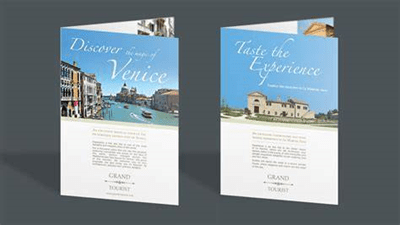
Texts appeal to an intended target audience,
e.g. a piece about ‘make-up’ is intended for teens.

Texts can also have more than one specific audience,
e.g. children’s stories are for children but must also appeal to the adults who will buy them.

Writers make sure their writing speaks to their target audience by adapting:
Language – simple for younger children, colloquial language for teens and special terminology for academics etc
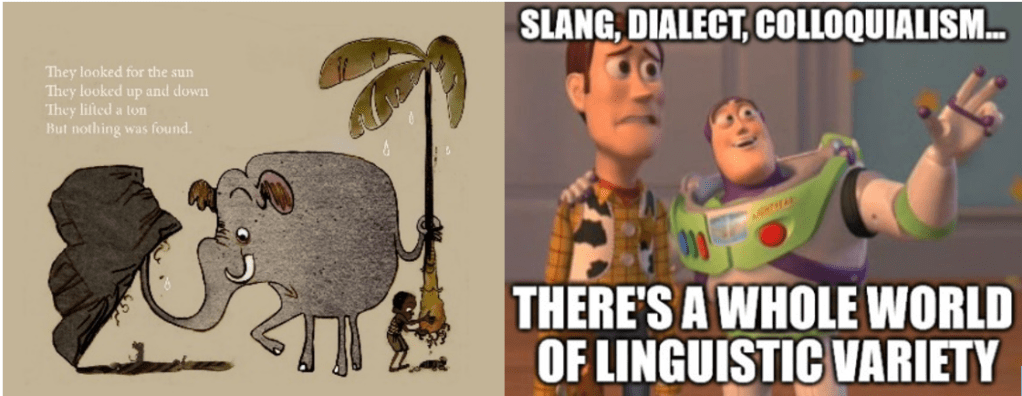
Style – a chatty, informal style appeals to young adults, as well as older readers if the text is light-hearted whereas a formal style suits serious or academic topics.
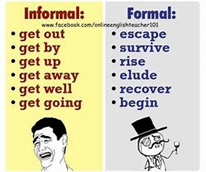
Layout and organisation – layout will focus the audience’s attention on important parts of the text, gradually guiding them through the ideas,
eg a charity leaflet may begin with a focus on the problems and why the reader should donate – and then end with how to donate.

Analysis
You can tell an intended audience by looking at:
- The content – who is interested
- Eg a detailed and highly technical article about bike maintenance would most interest an audience of regular bike riders.
- The tone – is it chatty or formal?
- Eg a blogger writing about a skincare routine vs a report about the environment.
- The words – does it use specialist terms, simple words or unusual vocabulary
- Eg specialist vocabulary relating to a specific sport shows that the intended audience is people who take part in that sport. Tennis players will understand the specialist terms used to score points, such as love, advantage and deuce.
- The use of language,
- does it use Standard English, slang or dialect?
- The use of personal pronouns
- “we”, “our”, “I” and “you” includes the reader and invites them to agree with the writer.
- How the layout supports the purpose of the text and focuses the attention of the audience.
- Eg subheadings signal what each section is about.
An example to discuss:

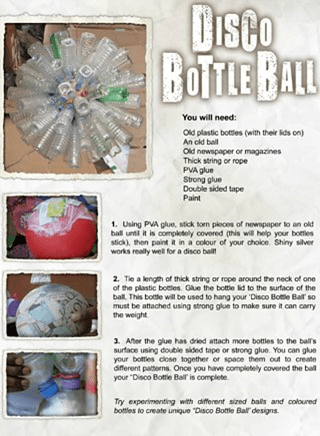
Questions to ask:
- What is the purpose of this text?
- Who is the intended audience?
- What gives you that impression?
Example 2:
- What is the purpose of this text?
- Who is the intended audience?
- What gives you that impression?
- What is the purpose of this text?
- Who is the intended audience?
- What gives you that impression?
Your Task:
Analyse the choice of target audience in at least 3 texts. To do this, answer the 3 questions, as we did for the examples. You may use the following 3 texts or choose your own.
- What is the purpose of this text?
- Who is the intended audience?
- What gives you that impression?
- What is the purpose of this text?
- Who is the intended audience?
- What gives you that impression?
- What is the purpose of this text?
- Who is the intended audience?
- What gives you that impression?
Achievment Standard:
Y8: They listen for and identify different emphases in texts, using that understanding to elaborate on discussions.
Y9: They listen for ways texts position an audience.
Y10: They listen for ways features within texts can be manipulated to achieve particular effects
 Muliyan