Muliyan is a place for learning, a place to explore inquiry and passion, a place to connect with oneself and others and a place to test new boundaries. Muliyan is a future focused educational program based within the ACT that focuses on future focused pedagogy and practice, placing paramount importance on the individual student and their needs to tailor a personalized educational package.
Hi y’all, welcome to week 5 art. So you’re a diverse bunch and as such I’ve decided to throw a few different arts resources and ideas at you this week. There’s things here that fit with each of your area’s of interests and passions, so go nuts – this week it’s all about being creative.
Students manipulate materials, techniques and processes to develop and refine techniques and processes to represent ideas and subject matter in their artworks.
This isn’t really relevant at all, I just enjoy it and so should you.
Creative Ideas and Resources
Anime Fans – check the list below and get going:
https://www.animeoutline.com/ – this site is awesome, seriously even I could draw from this website and you’ve all probably seen my drawings by now. Step by step guide (visual and written) to creating a whole range of anime / manga characters, actions, poses, emotions etc.
For those of you aiming to draw faces
Spray Art – there’s a few of you into spray art right now, and fair enough too it’s freakin’ cool. So check out the idea’s below for some great inspiration, potential projects etc.
This video also has brush stroke art towards the end
Year 9 – Students listen for ways texts position an audience.
Year 10 – Students listen for ways features within texts can be manipulated to achieve particular effects.
During this lesson we will use spoken word poetry to explore the use of emphasis in text to engage an audience.
What is spoken word poetry?
Spoken word poetry is a word-based performance art where speakers engage in powerful self-expression by sharing their views on particular topics for a live audience, focusing on sound and presentation. Spoken word performances require memorization, performative body language (like gestures and facial expressions), enunciation, and eye contact with viewers.
Spoken word poetry is a form of poetry that doesn’t have to rhyme, but certain parts can be rhymed to emphasize an image or give it a lyrical quality. Spoken word poems will sometimes contain elements of hip-hop, folk music, or jazz to enhance the rhythmic presentation.
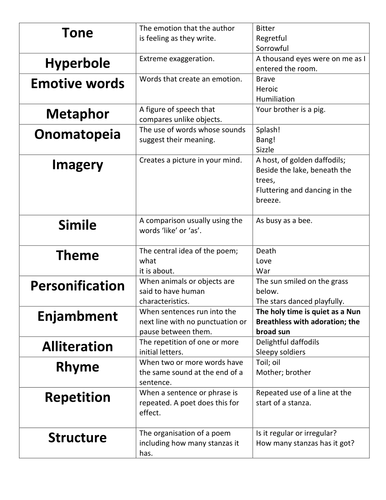
Familiarise yourself with the following list of poetic devices, they will come in handy later!
Compare the following poem in written form and as a spoken word presentation, then think about these questions:
Is this engaging? What makes the video more or less engaging than reading the poem? What are the devices (above) used by Maia Mayor to connect with the audience? Are these devices used in other forms of text?
Now, please watch ‘To This Day’ by Shane Koyczan and think about these questions:
How did this make you feel?
Do you think it was more engaging because of the way it was presented?
Activity
Please download the worksheet below and complete the activity. Once you have finished please hand it in to Erin. If you need any help, ask one of your teachers!
Academic standards: Year 8: Students can identify questions to frame an historical enquiry.
Year 9: When researching, students develop different kinds of questions to frame a historical inquiry.
Year 10: When researching, studentsdevelop, evaluate and modify questions to frame a historical inquiry.
Academic standard: The environment movement (the 1960s – present) – Significant events and campaigns that contributed to popular awareness of environmental issues
Historical Inquiry: History provides us with a way of thinking about the past. The use of historical inquiry shows students a way to inquire into, organise and explain events that have happened. Historical inquiry is the process of “doing history”.
It is a cyclical process that begins with the asking of guiding historical questions. This process is followed by locating and analysing historical sources to establish historical evidence. The historical evidence is then used to construct historical interpretations that seek to answer the guiding historical questions.
There are six generic questions which you can use to guide your inquiry:
What were the major developments during this period?
What, if any, major events happened at the same time. This provides context to the situation to help us understand the mindset at the time.
What was an important historical event related to your topic?
For example, the economic position of the USSR led to the creation of nuclear reactors that have positive energy cycles that could lead to explosions.
The USSR also covered up the system weakness in the system, which lead to people pushing the reactor too far.
What directly caused that event?
Nuclear Engineers took a reactor too far causing a hydrogen explosion.
Who were the key players involved?
What impact did this have on at the time people?
The initial perspectives of the people on the ground (primary sources)
How did different perspectives/views shape the understanding of this event?
Other people’s interpretations of events (secondary sources) and the impacts over the whole scenario
How did these developments impact societies/you?
Note: In this context, force is talking about things that pressure a historical event into happening. For example, we might be talking about the “market forces” that surround economic recessions.
Write/record a short passage (50 to 100 words long) on what you know about how Chernobyl changed the Environmental Movement.
If this doesn’t work for you, maybe choose from the following: Some examples:
What positive stories could other people tell about my past?
Who lived on these lands (Canberra) first, and how do we know?
How has the community on these lands changed? What features have been lost and what features have been retained?
How has Women’s fashion responded to world war II? (Wartime wardrobes)
The evolution of the skateboard
Your topic from your timeline last week
Something from your passion project.
Step 2: Choose the most significant event from your chosen topic and ask the following questions:
What was an important historical event related to your topic?
What caused that event?
Who were the key players involved?
What impact did this have on the people of the time?
How did different perspectives/views shape the understanding of this event?
How did these developments impact societies/you?
Note: You need to find some sources to describe the majority of these.
Step 3: Create or update a timeline and place this event into it
How will you know you are done?
You will have chosen a topic
You will have written a short description of your topic
You have answered the questions from above
You have created/updated a timeline with your event that relates to the subject.
Differences by year levels:
Year 8: Students will have reached a level where they can identify and ask core questions and find content that answers those questions. Students will be able to frame questions using historical terms and concepts and identify appropriate sources to validate their position.
Year 9: Extend framing questions and develop their own interpretations of the past based off of appropriate evidence and sources; in effect creating their own secondary sources.
Year 10: extend above by developing texts and organising and present their arguments using a range of primary and secondary sources.
Video Instruction (ACT EDU account required to view)
Historical Skills
Historical Knowledge
Academic standard:
Year 9: Students interpret, process, analyse and organise information from a range of primary and secondary sources and use it as evidence to answer inquiry questions.
Year 10: Students process, analyse and synthesise information from a range of primary and secondary sources and use it as evidence to answer inquiry questions.
Academic standard:
The environment movement (the 1960s – present) – Significant events and campaigns that contributed to popular awareness of environmental issues
What does that mean?
Sources: History is the study of how we unravel the stories of the past. Sources are the way we fill in the context of those stories. Sources describe what happened, why they happened, when they happened, what people of the time thought about the events, and can discuss the implications of these events.
Primary Sources: A primary source is a first-hand material that stems (roughly) from the time period that the story is being told. For example, when Plutarch wrote of how “the sky being on fire near Naples”, and Pliny the Younger wrote about how locals were not particularly alarmed of the small earthquakes leading up to the explosion because they were so common are examples of primary sources.
Secondary Sources: Secondary sources are an additional step removed from the period – a ‘second-hand’ work that is the result of reconstructing and interpreting the past using primary materials as well as textbooks, and articles
Sources as evidence: However cool actual sources from times gone by may-be, we can not assume that everything they tell us (or even everything that we think they tell us) is true, or that we are automatically able to interpret their contents and context correctly. They are, after all, made by people who were operating from their own contexts and understanding of the world around them. Our job as Historians is to keep a critical eye on the content and ask questions along the way.
In everyday words
Questions you should ask yourself when you see a source:
What kind of source is it?
Is this a primary source or a secondary source?
Who created this source?
How did they gather that information?
Were they an eye witness or are they relaying information from elsewhere?
Could they be biased?
What goal did the author have in creating the source?
Did the creator want to tell a truthful story or could they be attempting to influence others?
What context was the source created in?
The context of a source can change depending on when it was written. Something written by a Christian during the times where Christians were persecuted by the Romans is different than one when Christianity was the official religion of Rome.
In context to Historical Knowledge:
Practice makes perfect
On-topic
For each of the following sources, answer all of the previous questions.
Yeah look, it’s another pun, this topic is about impressionism #sorry,Notsorry
Any way, achievement standards and all that…
Achievement Standards: Yr 7 / 8: students identify and analyse how other artists use visual conventions and viewpoints to communicate ideas and apply this knowledge in their art making. They evaluate how they and others are influenced by artworks from different cultures, times and places.
Yr 9 / 10: students evaluate how representations communicate artistic intentions in artworks they make and view. They evaluate artworks and displays from different cultures, times and places.
Again, big focus on ‘what is this’, ‘what is it about’, ‘how can I use it in making my own art’ – the ‘it’ this week is impressionism.
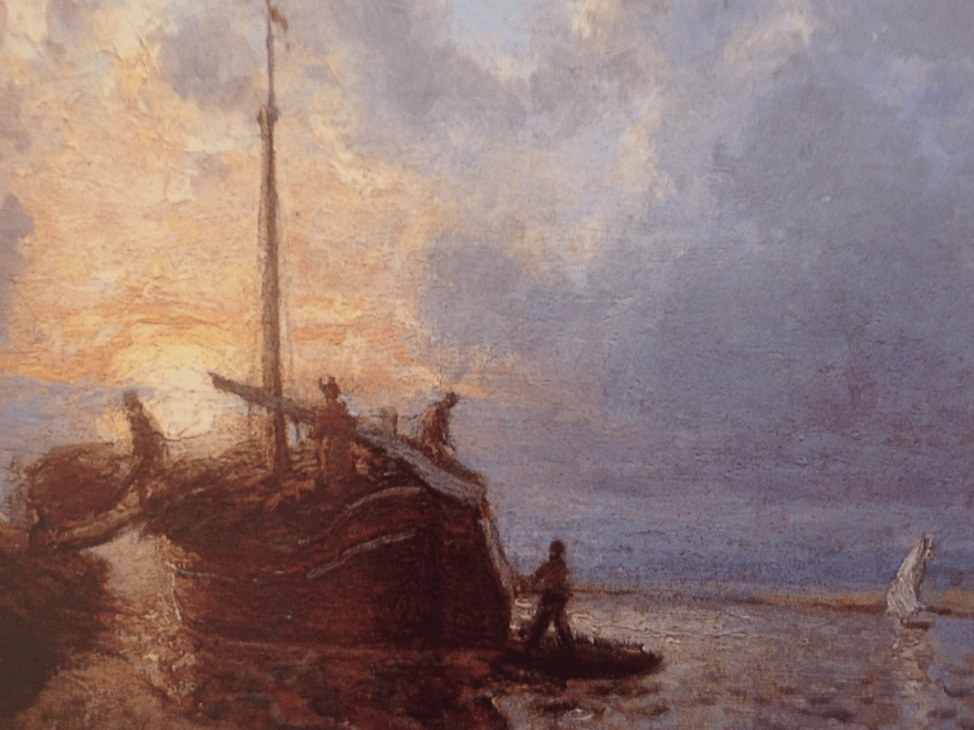
Impressionism:
Key points:
Bright, bold colours
Capturing life and what we observe (an impression of something)
Bold brush strokes (emphasis not so much on ‘being neat’, but giving an impression. Utilised varying types of strokes, including dots). They often painted thickly and used quick (and quite messy) brush strokes. In most of the paintings before impressionism you can’t really see the brushstrokes at all.
En Plein Air – aka lets all paint outside and explore light
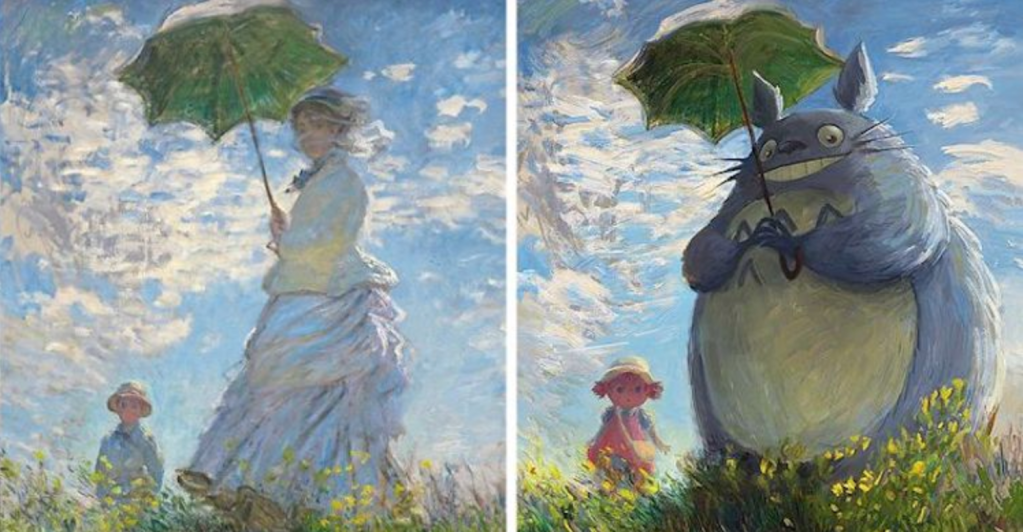
Can I bring my own interests into impressionism?
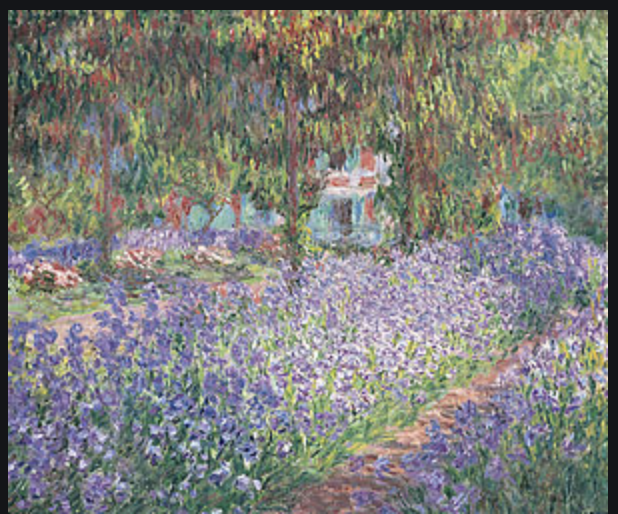
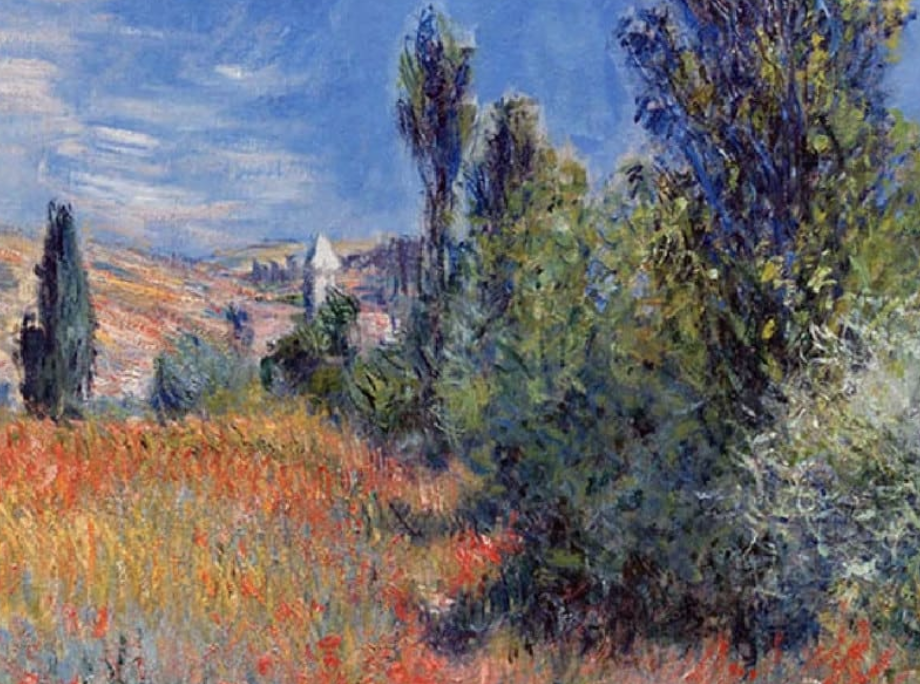
Yep, of course. I’ve included a bunch of images below that explore impressionism based on y’alls interests:
Task for Growing Unerstanding:
Lets get creative – pick a subject:
Go outside and paint a pond…a tree…a car you like (Spotto, I win)… a duck…maybe some random person (and totally pull awkward faces at them…no don’t do that, it’s a joke as I’m sure you realise).
Pick an anime character and recreate them
Pick a graffiti piece or tag and recreate
Paint yourself or a friend, or the teachers / staff (go on, I dare you, i’ll even hang it in the foyer)
If the creating part isn’t your bag, read on…
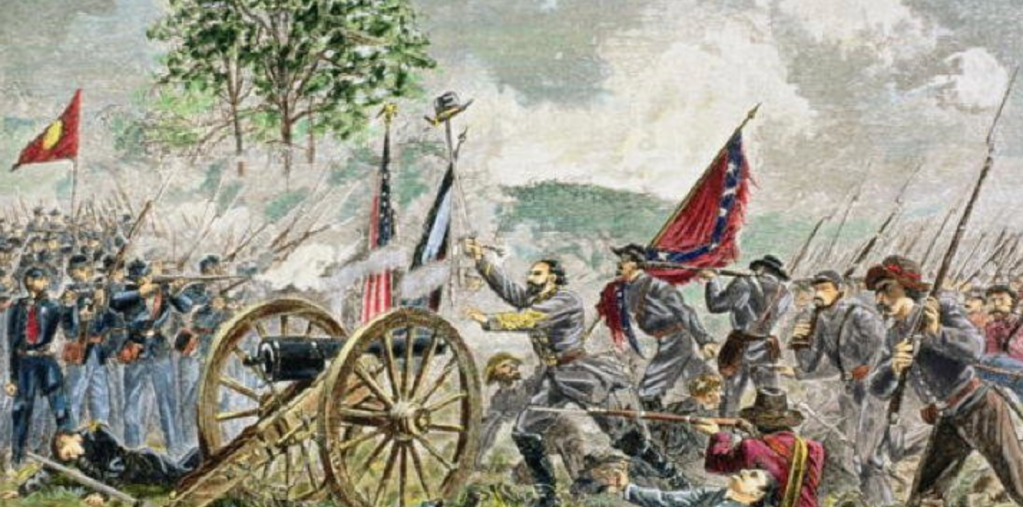
1860s – American Civil War
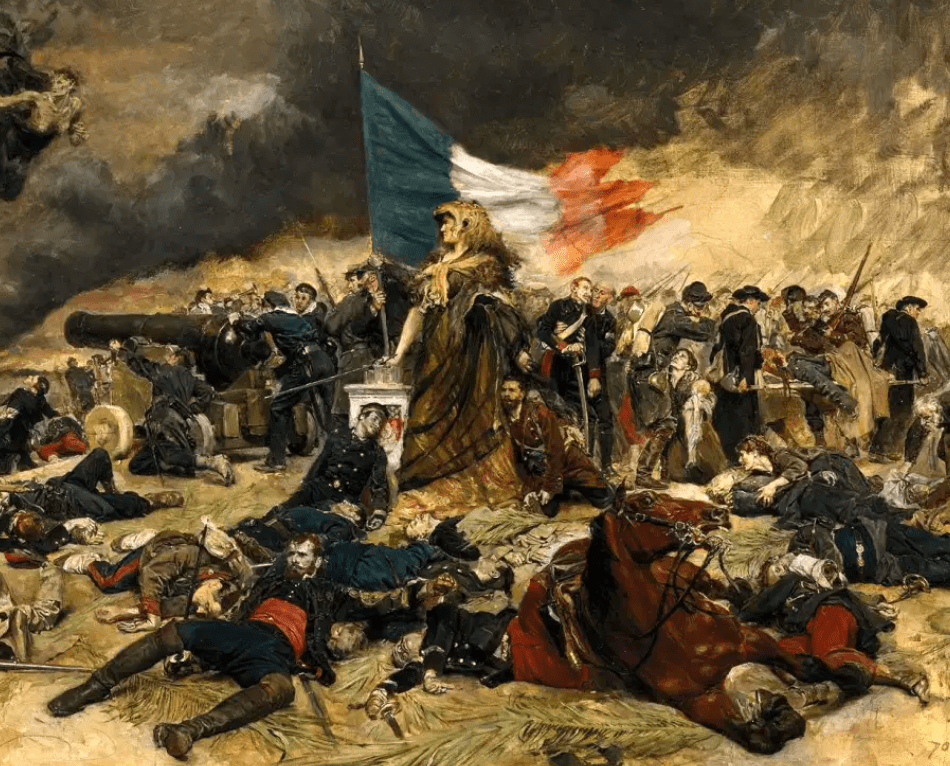
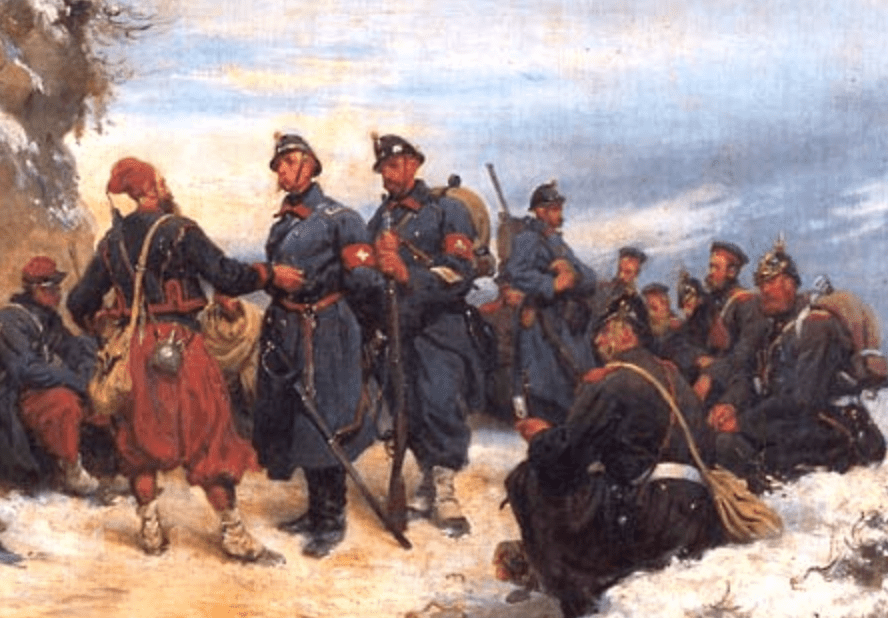
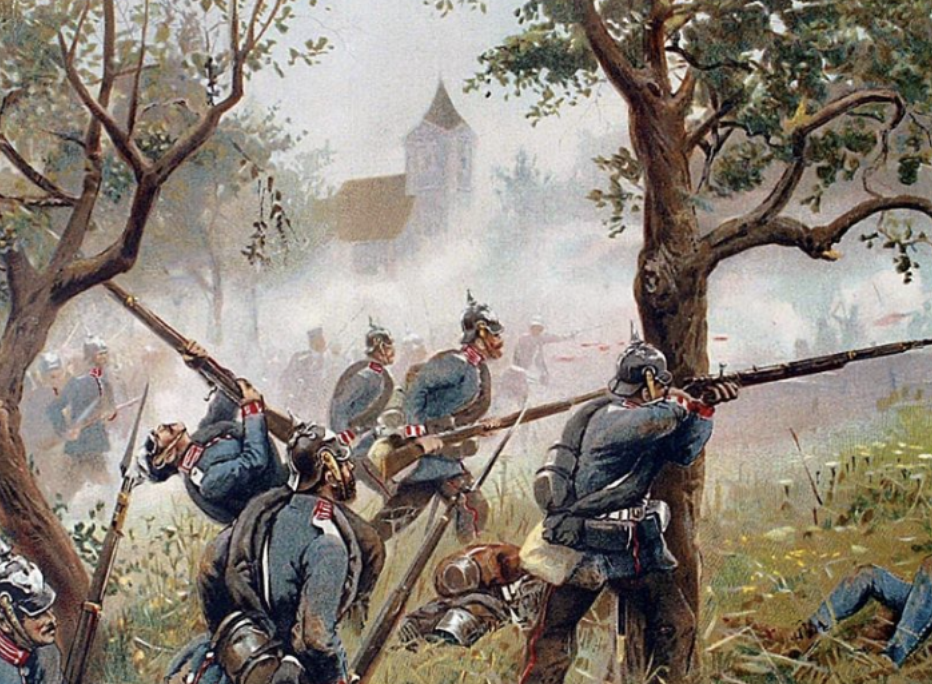
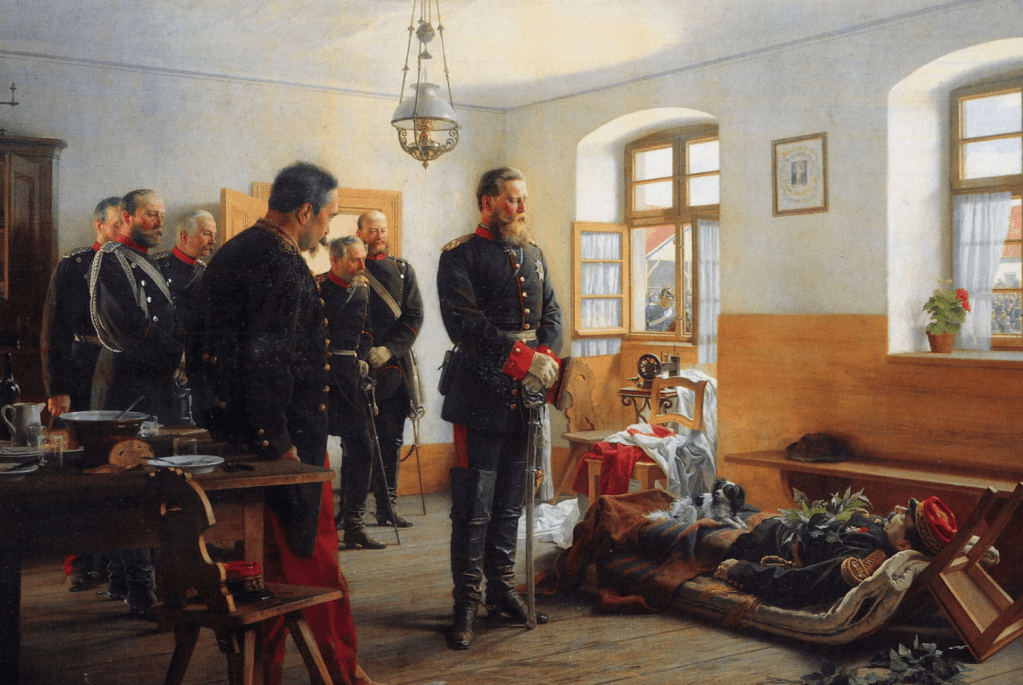
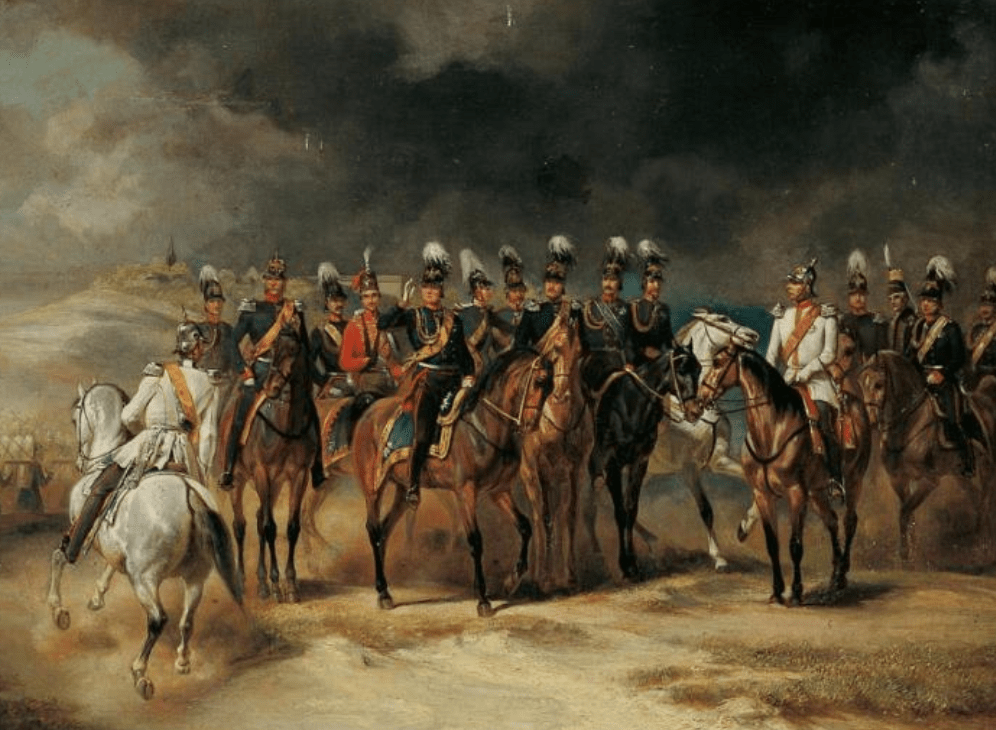
1870s – Franco – Prussian War
I’ve included below some art work examples of both wars that incorporate impressionism. I’d like you to be able to address the following questions:
What were the key features / motivations / attributes of the war (pick one)
What were some key battles, and what are the statistics relating to this?
How did impressionistic art / techniques convey a different historical lens or feel to war, compared to art from a classical / traditional style (See examples below)
Welcome to Friday y’all. Here’s an achievement standard…
HPE Achievement Standard: students critically analyse contextual factors that influence identities, relationships, decisions and behaviours.
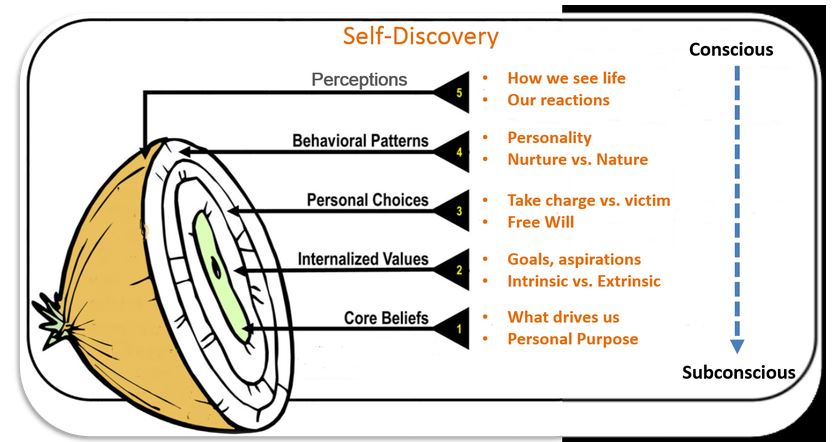
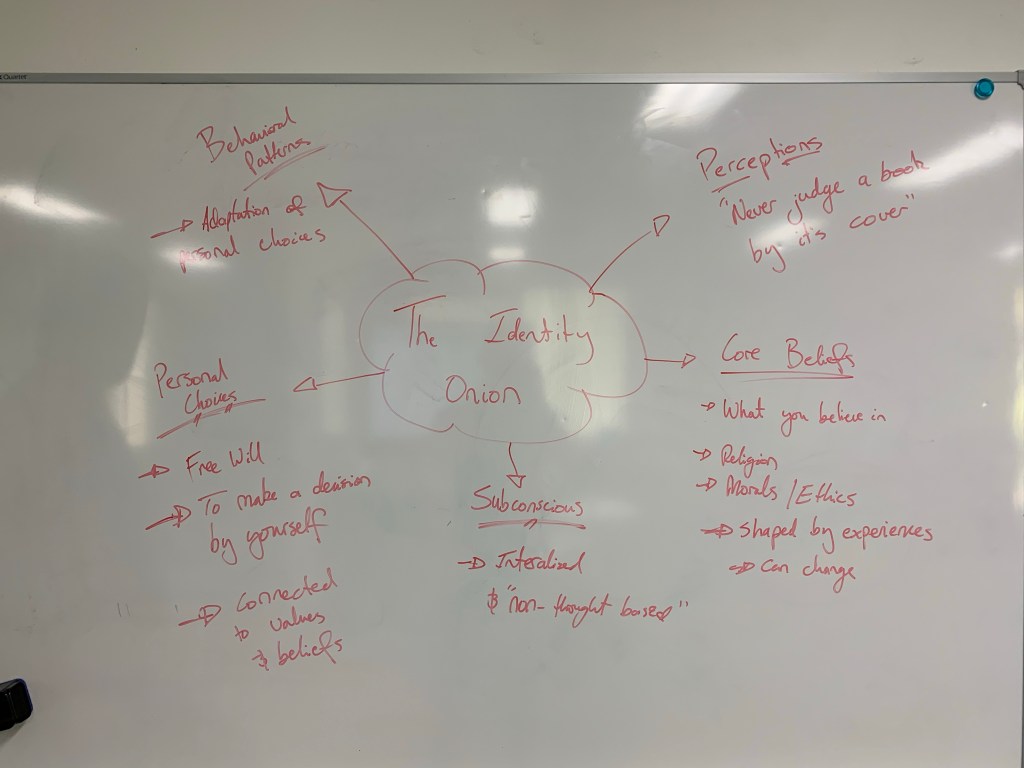
Great, good stuff. So, identity is like an onion…so are ogres, they have layers #SorryNotSorry
Discussion – The identity onion: What do we think about this? What does it mean?
Our Mind Map will go here:
pretty picture to be inserted when you’ve completed it….
Our wonderful map – well done gang
Task for growing understanding:
Create your own onion – utilizing the 5 layers of self begin to unpack and analyse identity. See if you can start at a core belief and unpack it through to perceptions (omg this is linked to history…it’s like there’s a theme emerging here)
Turn to your projects – can you see or identify any layers of self inside of this? I.e Anime project – linked to internalized value of Japanese culture / society
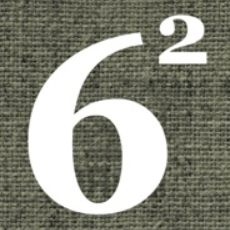
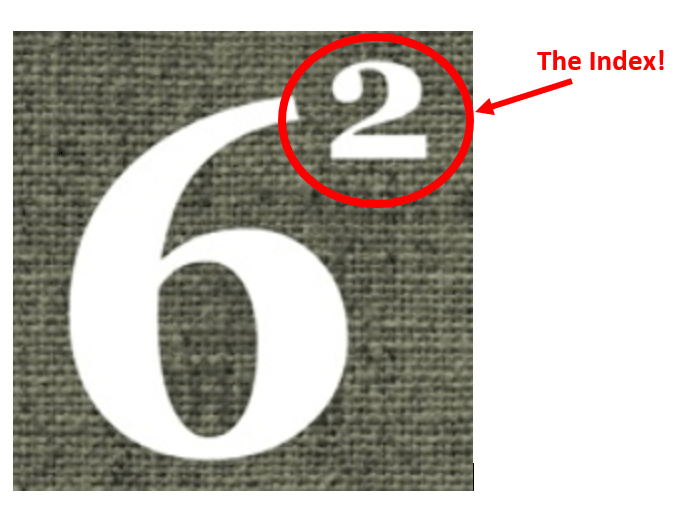
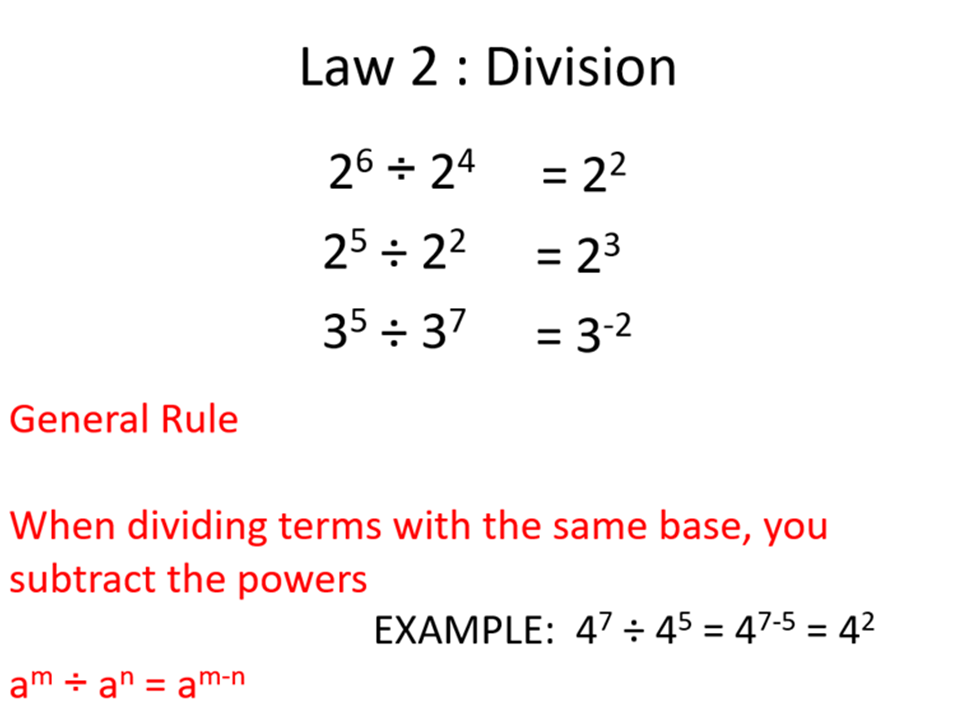
An index, or power, is the small floating number that appears after a number or letter
The plural of index is indices
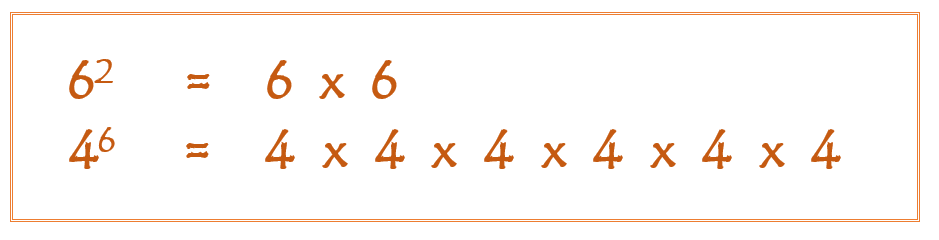
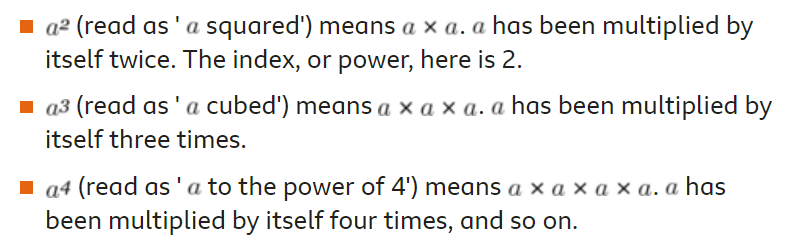
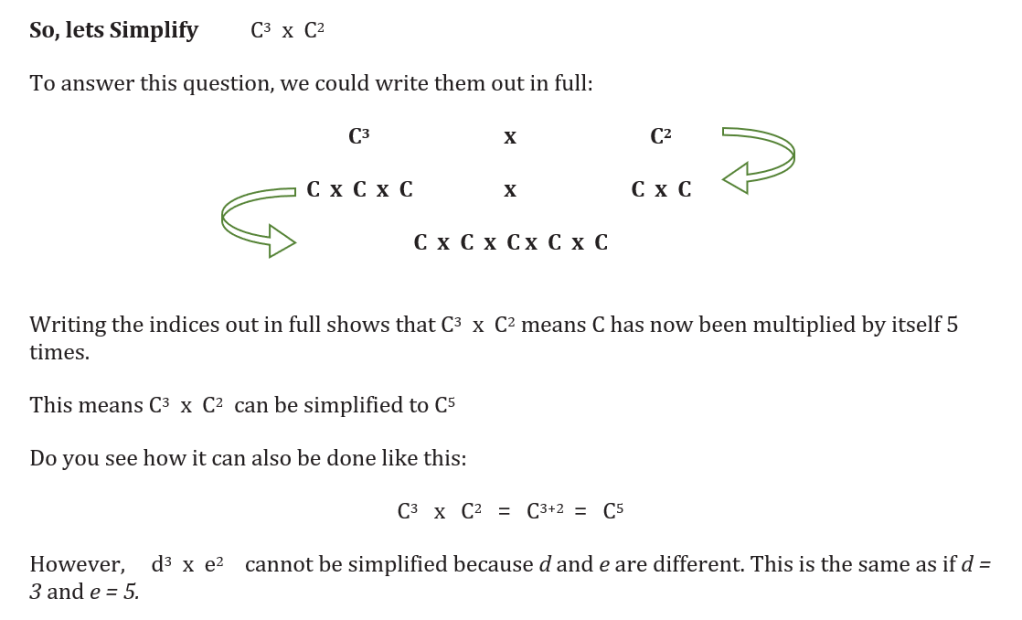
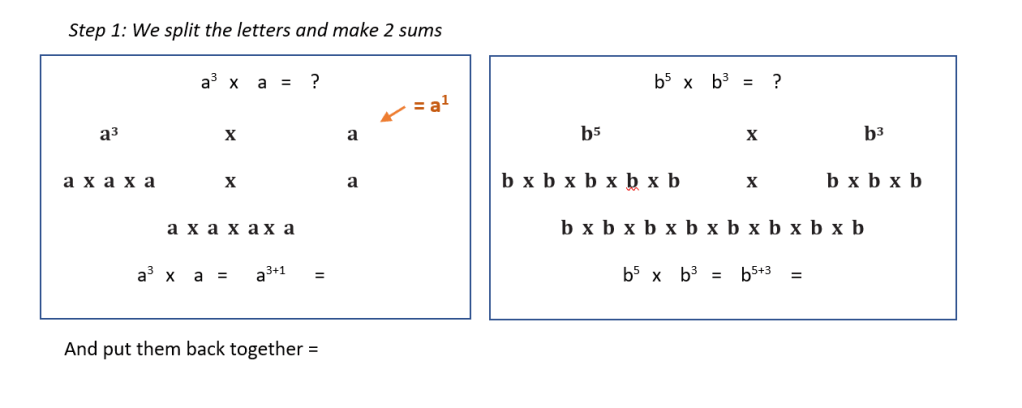
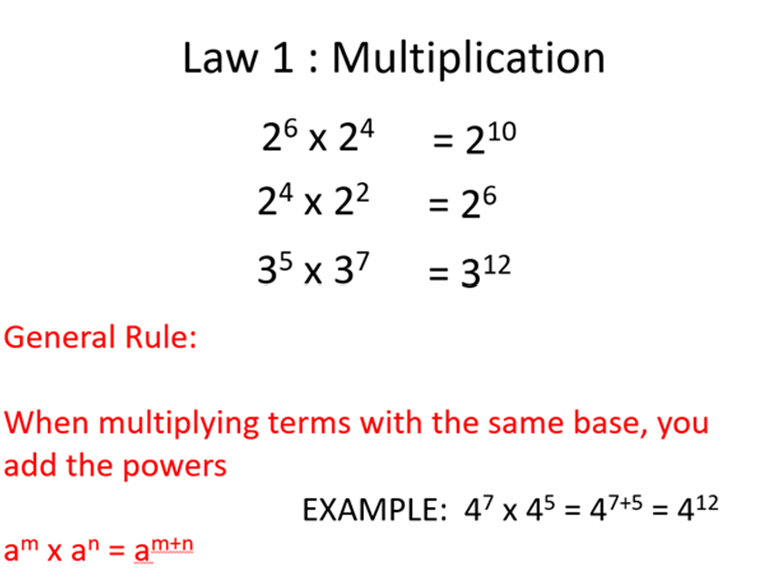
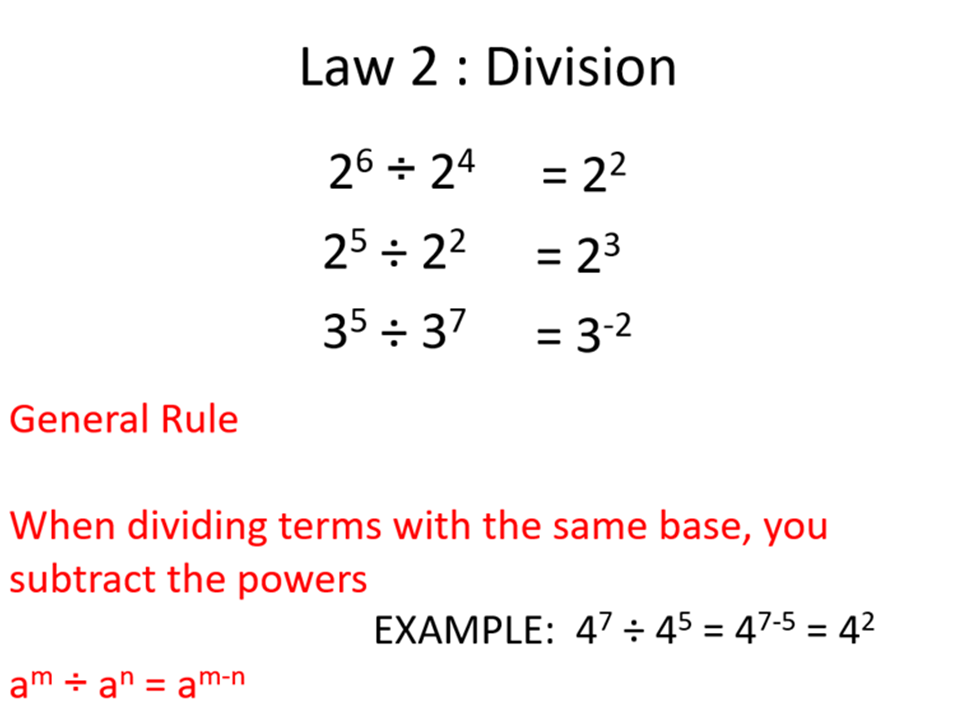
Indices show how many times a number or letter has been multiplied by itself.
They can also be used to represent roots, such as the square root, and some fractions.
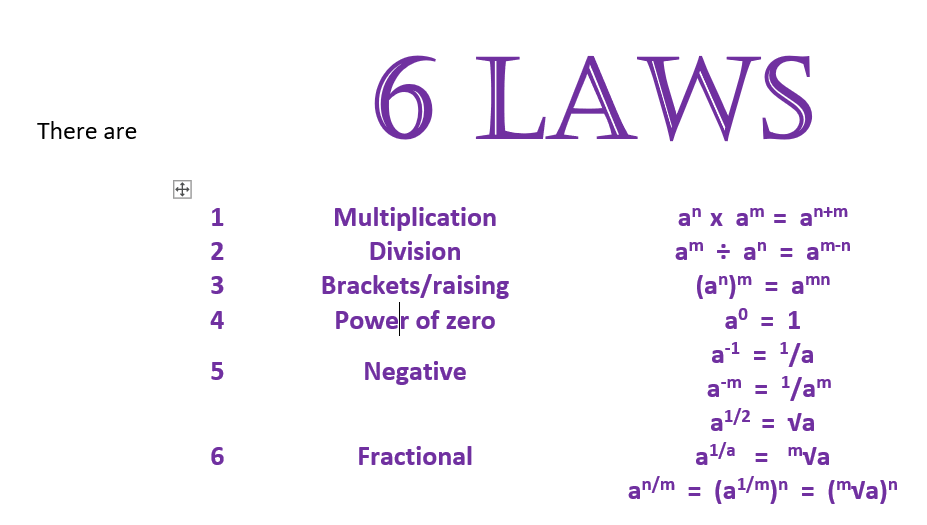
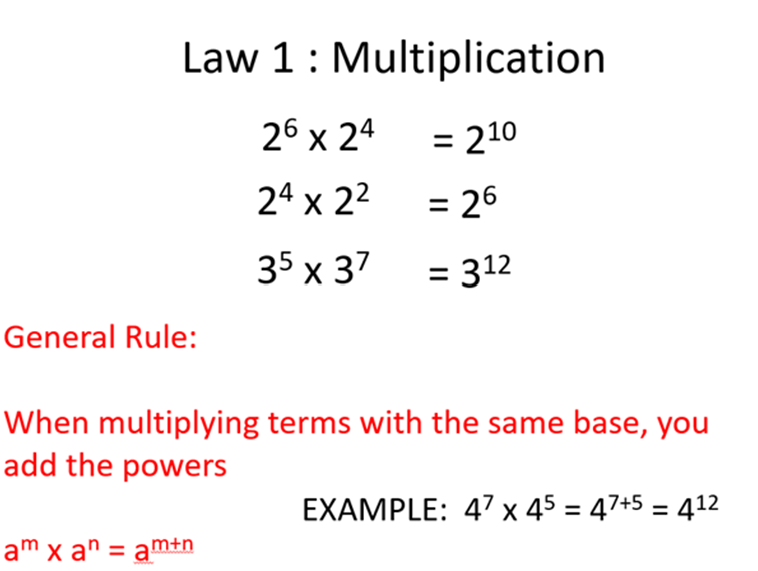
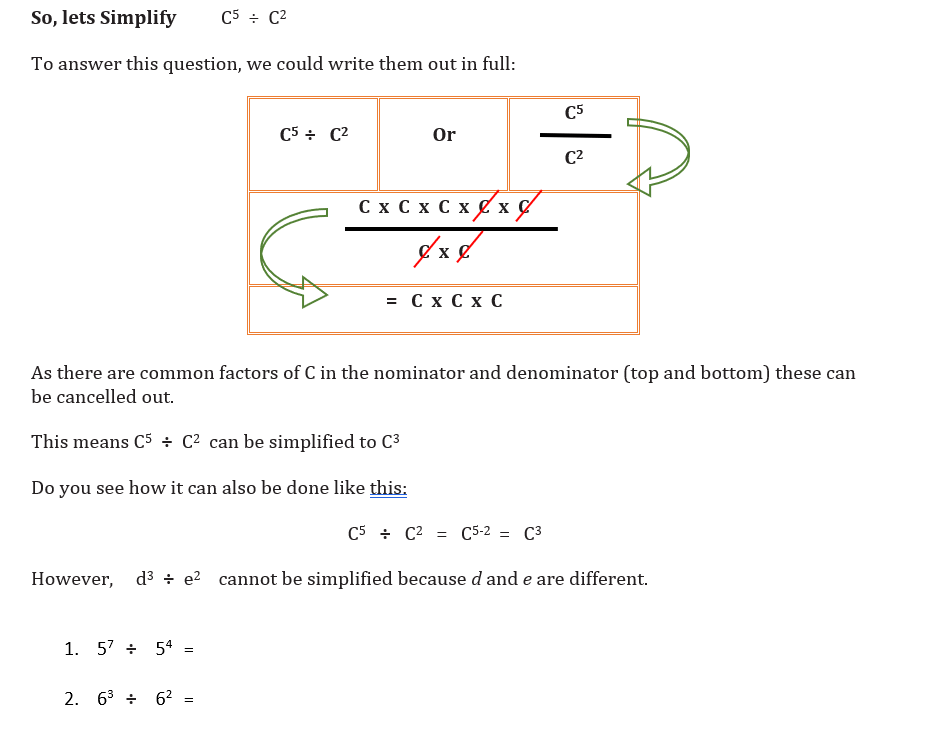
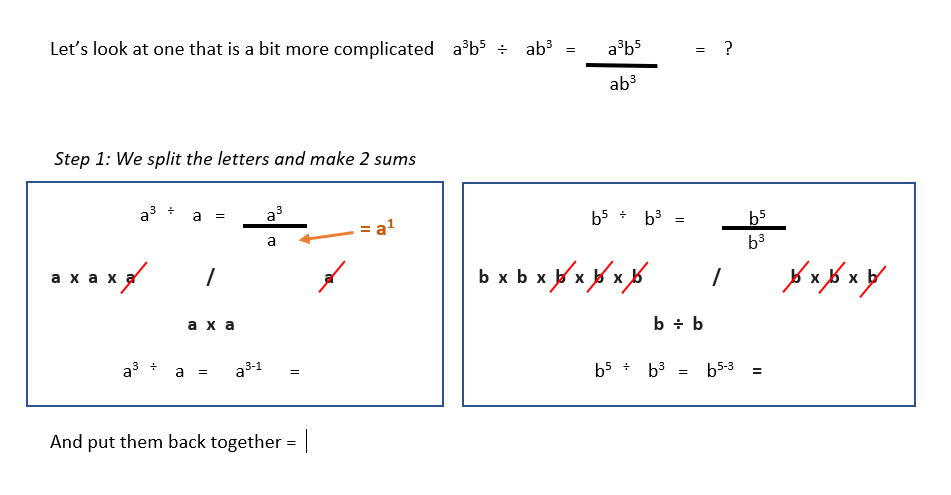
The laws of indices enable expressions involving powers to be manipulated more efficiently than writing them out in full and the laws explain how to process these expressions more easily
So…
This looks super complicated, BUT it isn’t once explained! I promise!
Academic standard: Students explain the significance of these eventsand developments over the short and long term.Students explain the significance of events and developments from a range of perspectives. They explain different interpretations of the past and recognise the evidence used to support these interpretations.
Academic standard: The environment movement (the 1960s – present) – Significant events and campaigns that contributed to popular awareness of environmental issues
Achievement standards
What does that mean?
Significance: Sometimes, events, periods, developments, perspectives, or ideas, are regarded as having significant consequences.
Events and developments: Things that happened, and their effect. Similar to cause and effect from last week, except it’s just talking about the impact of things.
Range of perspectives: After World War I, different countries felt differently about the outcomes. France thought that the reparations that Germany was making were fair and just, while Germany thought it was unfair and unjust.
Interpretation: Purposeful and thoughtful, representations of past events.
Evidence: Assertions made without evidence can be dismissed without evidence
In everyday words:
One of the roles of being a historian is to explain to people who weren’t there, what happened, why it happened, and how that event impacted future events. Importantly, they also to understand that just because you read it in one place, doesn’t mean it’s accurate or even an honest attempt at informing other people.
In context to Historical Knowledge:
Chernobyl
In the immediate aftermath of the accident, an area of about four square miles became known as the “red forest” because of how so many trees turned reddish-brown after absorbing high levels of radiation.
Today, the exclusion zone around Chernobyl is, surprisingly, full of life. Mostly due to the exclusion of human activity around the accident site. The numbers of wildlife have increased dramatically, from lynxes to elk. In 2015 scientists estimated there were seven times as many wolves in the exclusion zone than in nearby comparable reserves. Many trees have regrown, although scientists have found elevated levels of cataracts and albinism, among a lot of wildlife species in the area.
Write about what specific events lead to the developments (events and developments) you found and do so from at least two perspectives (for example, from both Western Nations and the USSR)
Upload this work to your Wabisabizen/OneNote portal
Y8: They listen for and identify different emphases in texts, using that understanding to elaborate on discussions.
Y9: They listen for ways texts position an audience.
Y10: They listen for ways features within texts can be manipulated to achieve particular effects
The first step in analysing any texts is to look at:
T: Text Type
A: Audience
P: Purpose
Last term we looked at what a text is. So… What is it?
Last week we started to look at what an audience and how to tell who the intended audience is through introducing the idea of purpose.
A writer normally has an aim when writing a text – they want to have an effect on their reader.
A text can have many purposes. Some examples are to:
entertain – to amuse the reader or make them enjoy reading the text
persuade – to influence the viewpoint of the reader – these texts may be biased
advise – to help people decide what to do – these texts may give ideas and options
analyse – to break down something to help people to understand it better
argue – to make the case for something – these texts may be one-sided
describe – to give precise details about a person, place, object or experience
explain – to make clear ‘how’ and ‘why’ something works or happens in a certain way
inform – to tell a reader about something they don’t know, or add to their knowledge
instruct – to tell a reader how to do something, ordered step-by-step
Texts can have more than one purpose, eg a writer could entertain and inform, or they could inform and persuade the reader.
When we talk about the purpose of a text, we are talking about what the writer wants to achieve. Writers use language and structural features to deliberately appeal to their intended audience.
An author may have a purpose, but it may impact the audience in a different way to what is intended. What we are going to look at is HOW different texts impact YOU!
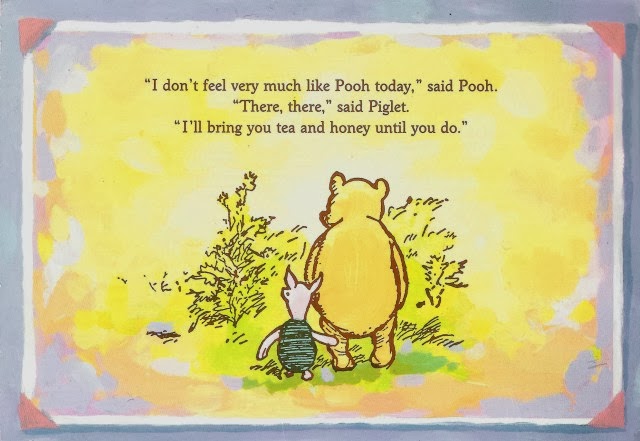
So….. We are going to listen to, watch and read different texts. Think about
How does it make you feel?
What was being emphasised (what stood out?)
What made the above stand out?
Example:
How does it make you feel?
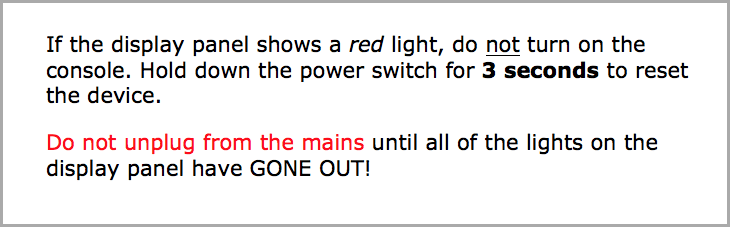
Me? Nothing. Possibly bored.
What is being emphasised?
Which light, actions and safety. (the red light, dont turn on the console, hold for 3 seconds, dont unplug it till done)
What made these things stand out?
Italics, underline, bold, red and capitals.
The task Instructions:
Have some paper in front of you.
Write the questions 1-3 down so you know what they are.
How does it make you feel?
What was being emphasised (what stood out?)
What made the above stand out?
Prepare yourself to focus and then answer the questions for each text we listen to or look at. You do not need to share the response as this is a personal reaction. We can talk about it and you share IF YOU WANT.
Sorry – that’s a truly terrible title, I know. It’s 9:20pm and it’s time for dad jokes, so bear with me here and I assure you we’ll get somewhere:
Steak jokes…a medium rarely well done
Why did the scarecrow win an award? Because he was outstanding in his field.
I’m reading a book about anti-gravity. It’s impossible to put down!
Ok sorry, I’ll stop.
Achievement Standard Time
Yr 7 / 8: students identify and analyse how other artists use visual conventions and viewpoints to communicate ideas and apply this knowledge in their art making. They evaluate how they and others are influenced by artworks from different cultures, times and places.
Yr 9 / 10: students evaluate how representations communicate artistic intentions in artworks they make and view. They evaluate artworks and displays from different cultures, times and places.
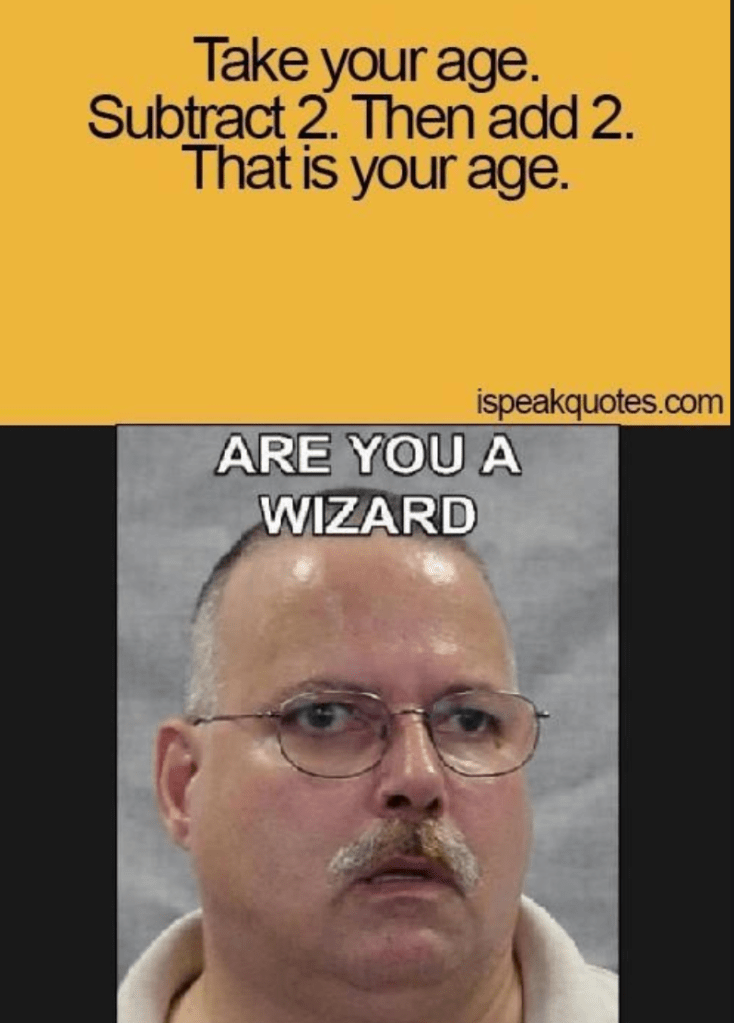
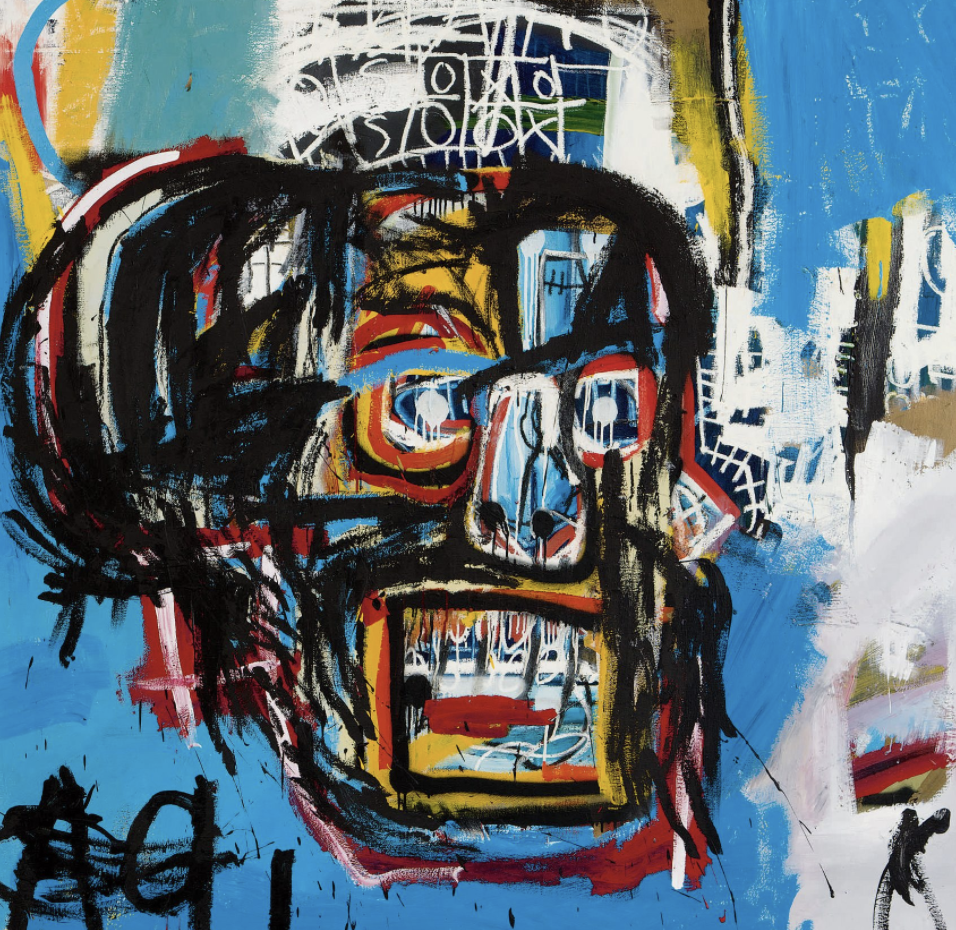
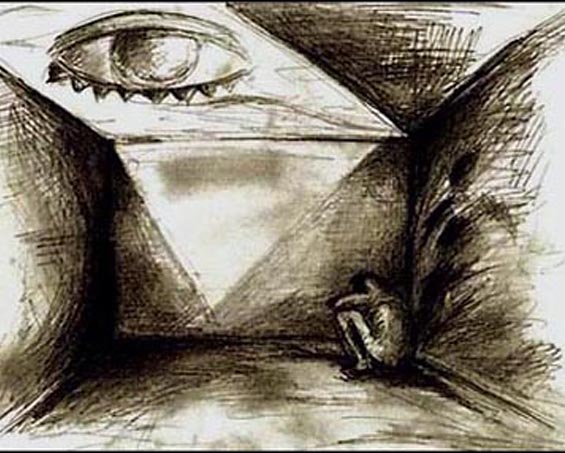
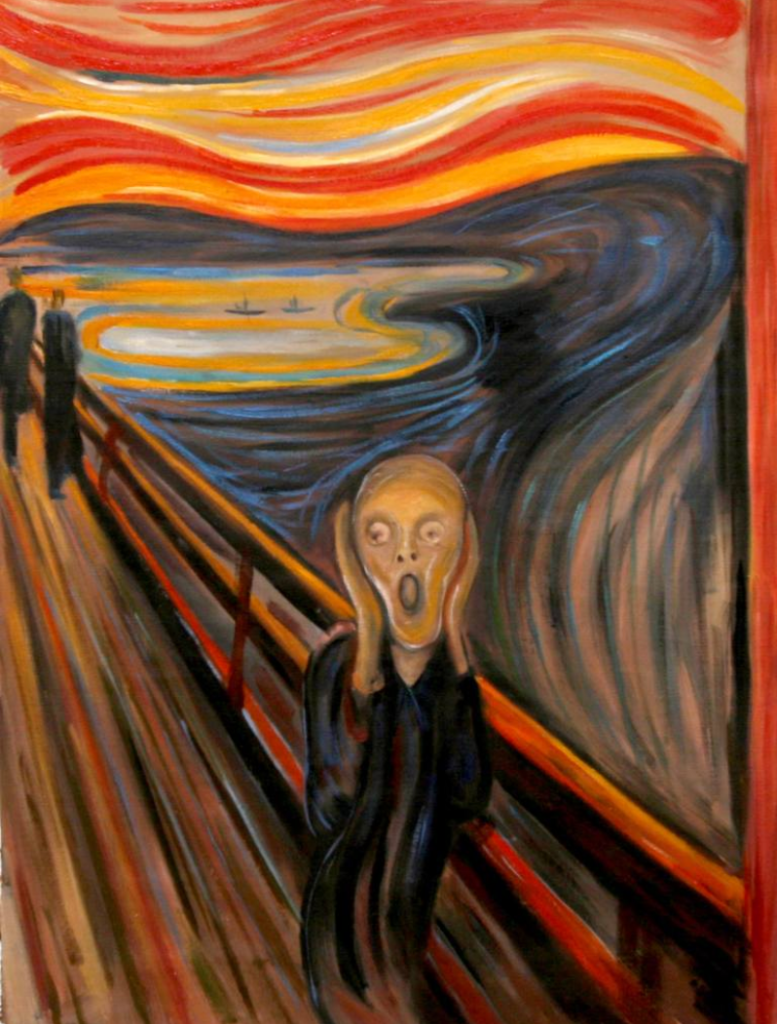
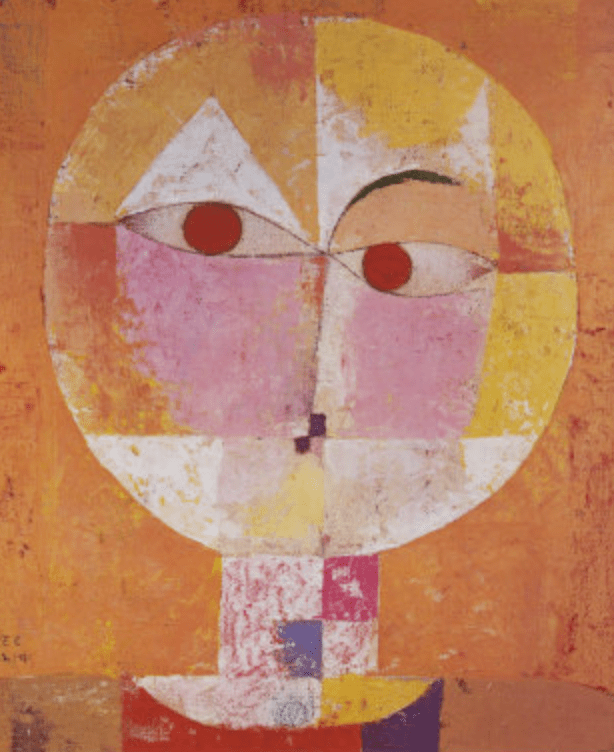
Lets take a look at something that kinda looks like a self portrait of me:
See? Almost identical, the resemblance is uncanny. Any way, over to you all for a second, lets have a chat.
Discuss: What do you see? What is the image conveying? How does it do this?
Cool, good chat. So, here’s some info for your minds:
General Overview
The Expressionist movement started in Germany. These artists wanted to paint about emotion. It could be anger, anxiety, fear, or peacefulness. This wasn’t a completely new idea in art. Other artists like Vincent Van Gogh had been doing the same thing. However, this was the first time this type of art had been given a name.
When was the Expressionism movement?
The Expressionist movement occurred during the early part of the 1900s.
What are the characteristics of Expressionism?
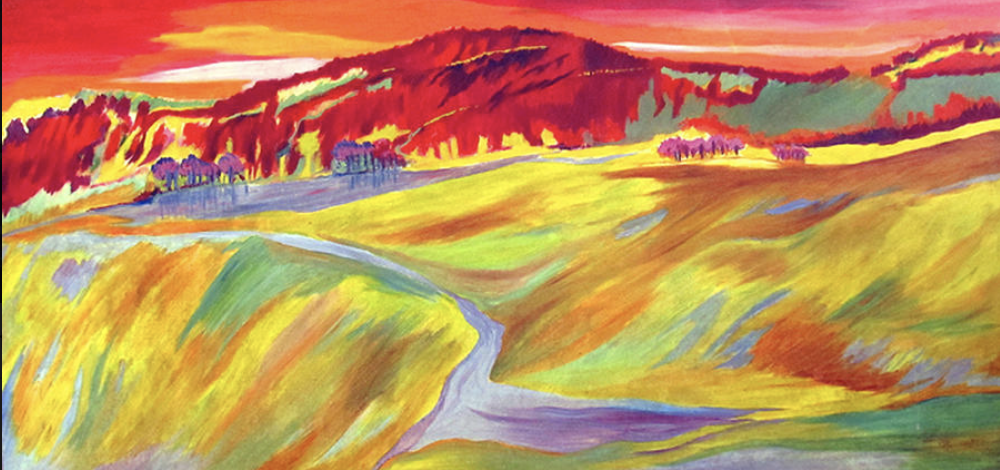
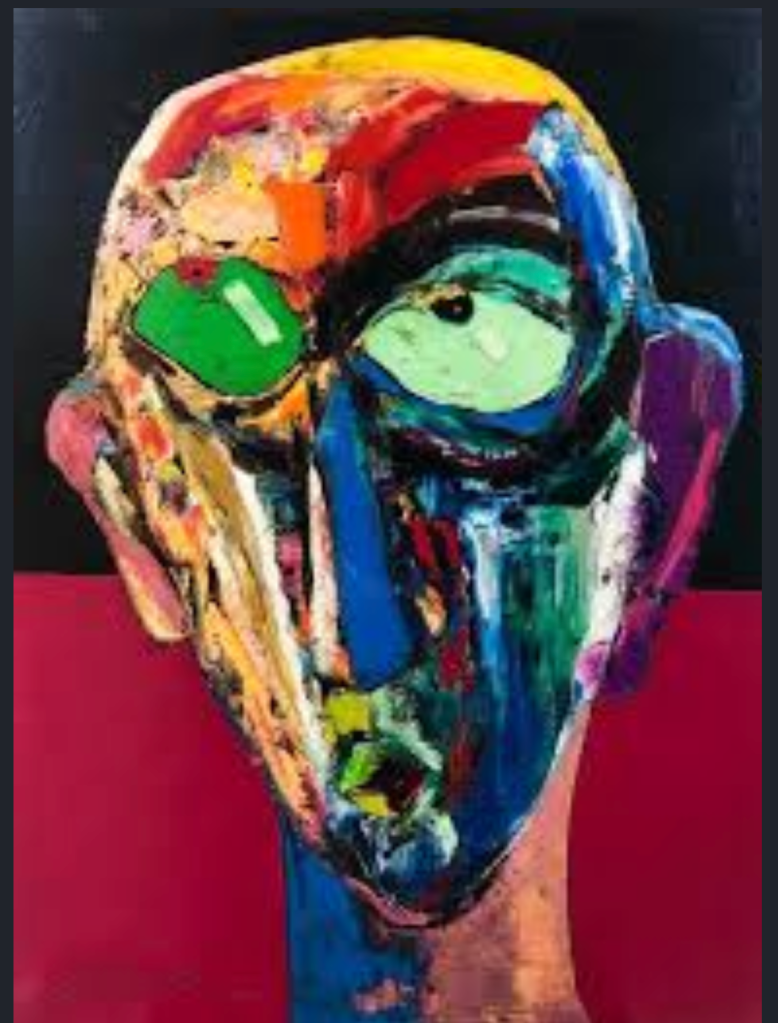
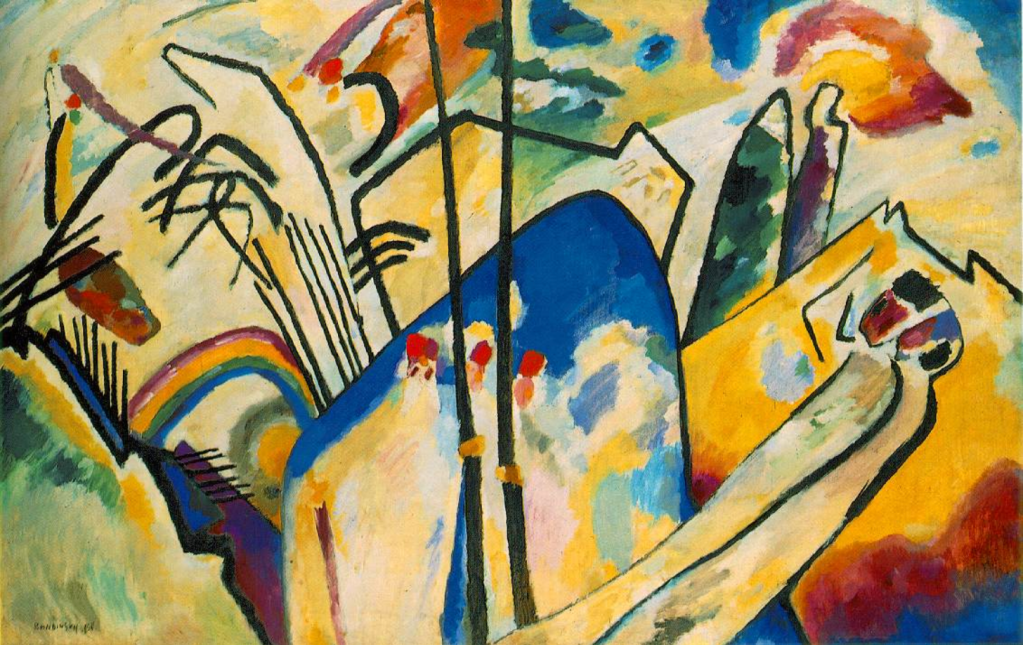
Expressionist art tried to convey emotion and meaning rather than reality. Each artist had their own unique way of “expressing” their emotions in their art. In order to express emotion, the subjects are often distorted or exaggerated. At the same time colours are often vivid and shocking.
Famous Expressionist Artists
Max Beckman – Beckman was a German painter who was against the Expressionist movement. However, many of his paintings are described as Expressionist.
James Ensor – A Dutch painter who had great influence on the Expressionist movement in Germany.
Oskar Kokoschka – An Austrian artist whose artwork was displayed in the German magazine The Storm when Expressionism became a true art movement.
August Macke – A leading member of the Expressionist group The Blue Rider in Germany, he also painted some Abstract Art.
Franz Marc – A founding member of The Blue Rider group, Franz Marc was one of the leaders in the Expressionist movement.
Edvard Munch – A Symbolist and Expressionist, Munch is best known for his famous painting The Scream.
Egon Schiele – An early adopter of Expressionism, Egon died at the young age of 28.
Interesting Facts about Expressionism
Another movement was taking place in France at the same time called Fauvism. It was led by artist Henri Matisse.
Groups of Expressionist artists formed in Germany. One was called The Bridge and the other The Blue Rider.
Many Expressionist artists also overlap into other movements such as Fauvism, Symbolism, Abstract Art, and Surrealism.
There was also Expressionist literature, dance, sculpture, music, and theatre.
Many of the German Expressionists artists had to flee Germany during World War II
Task for growing understanding
So i’ll give you some choices right now – some of you may want to work individually on your own and create, in that case dive right in. You’ll need to provide me with a written statement (only 1 – 2 paragraphs) stating why your art work is connected to expressionism and what it is conveying.
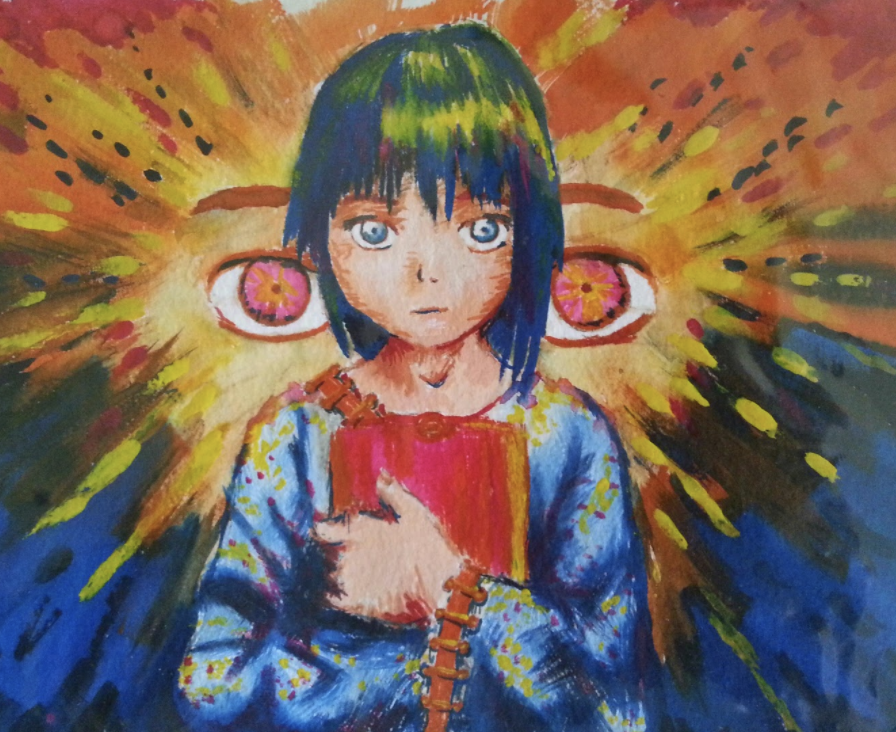
Alternatively – pair up and create a portrait of your partner in an expressionist style. You must be able to unpack your intentions (Why is it expressionist? What have you done to ensure it fits the style? What were you intending on conveying). Check below for some inspiration:




 Muliyan