Causes and Effects of Historical Events

Achievement Standard:

  • Year 9: Students analyse the causes and effects of events and developments and make judgements about their importance. 
  • Year 10: Students analyse the causes and effects of events and developments and explain their relative importance.

But what does that mean?
undefined

  • Cause: a thing that gives rise to an action, phenomenon, or condition “The cause of the accident is not clear”
  • Effect: a change which is the result or consequence of an action “The accident had the effect of Government changing the speed limit in this area”
  • Cause and effect: explain why things happened the way they did
  • Judgement: the ability to make considered decisions or come to sensible conclusions

So, cause and effect help us, as historians, explain why things happened the way they did and what influence those events had on the world.  

You might be saying to yourself … “but Adam, I am not an Historian, History is boring”. If you tell informative stories about things that happen to yourself or your friends/family then you are an historian. If you’ve ever watched a movie or a show on Medieval Warfare and thought “cool” then you are an historian.

Judgement (and also “explaining their relative importance”) is about how we as narrators of history can make considered decisions about the history and tell meaningful and useful stories to inform and educate others. 

But what does that mean? Let’s talk war: World War I. 

What were the causes of WWI? 

  • Cause: a thing that gives rise to an action, phenomenon, or condition “The cause of the accident is not clear.”
  • Effect: a change which is the result or consequence of an action “The accident had the effect of Government changing the speed limit in this area.”
  • Cause and effect: explain why things happened the way they did
  • Judgement: the ability to make considered decisions or come to sensible conclusions

So, cause and effect help us, as historians, explain why things happened the way they did and what influence those events had on the world. 

You might be saying to yourself … “but Adam, I am not a Historian, History is boring”. If you tell informative stories about things that happen to yourself or your friends/family, then you are a historian. If you’ve ever watched a movie or a show on Medieval Warfare and thought “cool” then you are a historian.

Judgement (and also “explaining their relative importance”) is about how we as narrators of history can make considered decisions about the history and tell meaningful and useful stories to inform and educate others. 

But what does that mean? Let’s talk war: World War I. 

What were the causes of WWI? 

  • Competition among Industrialised European countries to build empires
  • Alliance formed between European countries
  • The assassination of Archduke Ferdinand
  • German U-Boats sank the passenger ship the Lusitania 
  • European countries helped their alliances

How did WWI affect future events? 

  • The treaty of Versailles was signed
  • Germany was punished by having to give up land to countries they had invaded. 
  • Germany had to officially accept total responsibility for beginning the war
  • Germany was ordered to pay millions of dollars in damages to other countries (or the equivalent of 670 billion dollars in 2020)
  • extensive military restrictions
  • giving up land to countries Germany invaded.
  • More than a million soldiers were killed 
  • The German Economy was dangerously week for more than a decade
  • Led to Adolf Hitler being elected
Causes and Effects of WWI

Discussion: Could the effects of WWI have directly lead to WWII? Why? Why not? 

Growing understanding: Think of a recent historical event (including recent events that have been well documented in the news) and list causes and events. Some examples might be: 

  • Recently, the NSW Police force has been in the centre of a national debate with their practice of strip searches on young people, specifically young people who are going to music festivals. What may be the causes that enabled this kind of policy and what effects may policies like this have on young people?
  • A historical event that relates to your passion project. 
Evolution and Persuasion

So ya’ll started talking about evolution yesterday and what an amazing concept it is…couldn’t agree more so lets roll with it hey. First up, here is the most amazing video of evolution ever;

10/10 pretty accurate
Ok – this one is much longer and far more in-depth , watch it in your own time

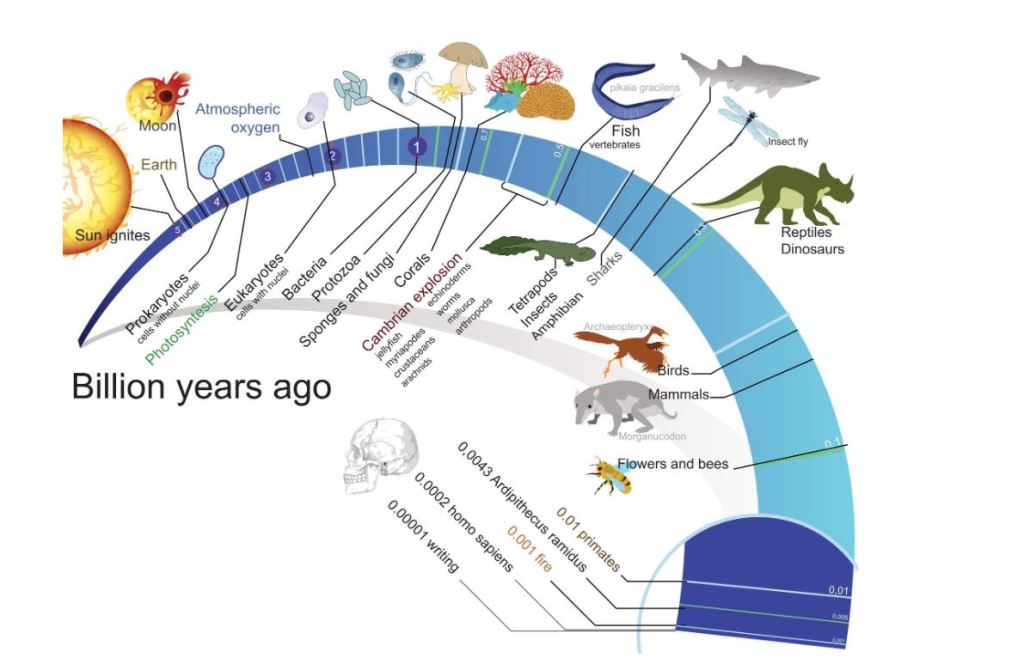
So…we all came from monkeys, which came from other stuff. Pretty simple hey. Here’s a nice image to give you a view of the cycle…

When you consider this, humans are very much a recent evolution

So, if this is the case (evolution is real), and there’s lots of studies to show it, why do other world views persist? Take a look at the following theories;

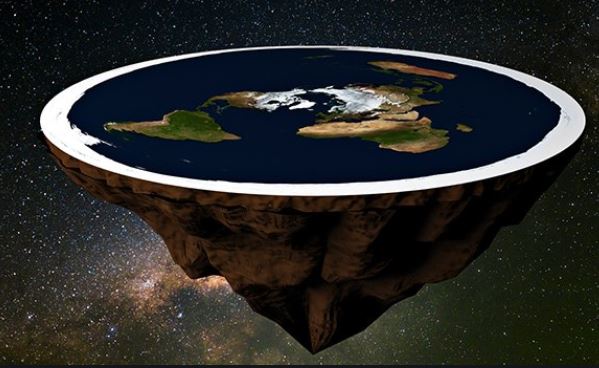
Ye old flat earth theory…
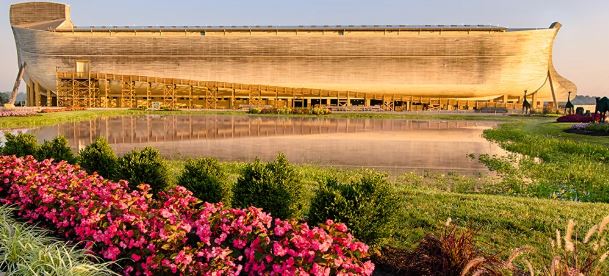
Ark encounter

Discussion Time: What are these two above images? What do we know about the two theories associated with them? How could the text that underpins them be used to persuade others? What are the key messages?

Task for Growing Understanding: Ok, so either in small groups or individually, you need to produce a form of text to persuade others to conform to your beliefs. So, you need to do the following;

  • Pick something you believe in – if you are struggling with this here is a list of common topics: vaccinate / anti-vax, faith / atheism, pacifist / warmonger, burgers are healthy / burgers are not, baldness is awesome / baldness is even more awesome
  • Unpack why you support your belief – what has convinced you, shaped you, helped you grow into this belief? How can you utilize this in convincing others?
  • Develop a text (poster / meme / speech / short story / poem etc.) that you believe will persuade others to see your point of view.
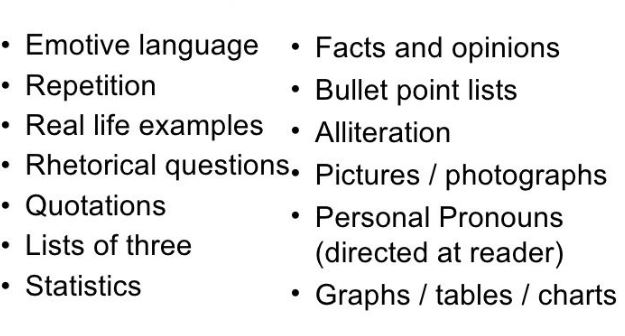
  • BUT – first: lets just explore these as a group:
Persuasive Writing techniques

Ok – so lets get going with our work. Here is the achievement standard you will be addressing FYI YOUNG PPL!

Achievement Standard: students evaluate how text structures can be used in innovative ways by different authors. They explain how the choice of language features, images and vocabulary contributes to the development of individual style. Students create a wide range of texts to articulate complex ideas. They make presentations and contribute actively to class and group discussions, building on others’ ideas, solving problems, justifying opinions and developing and expanding arguments. 

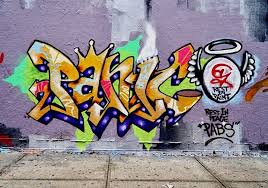
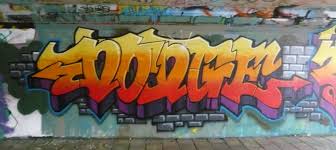
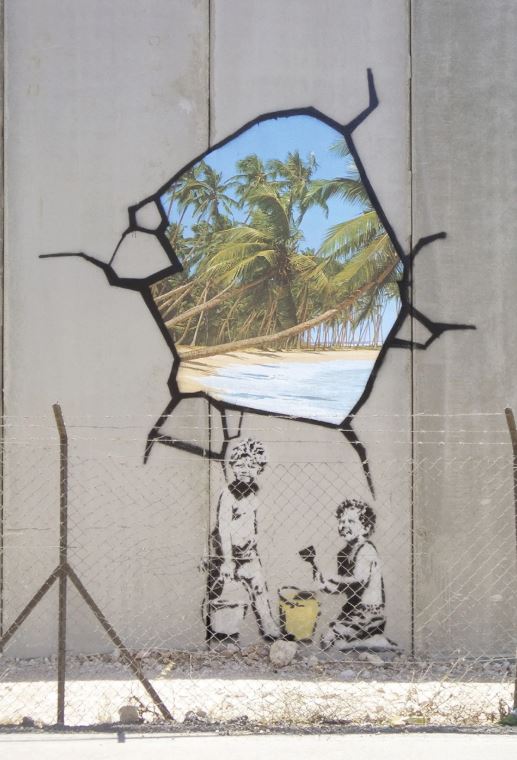
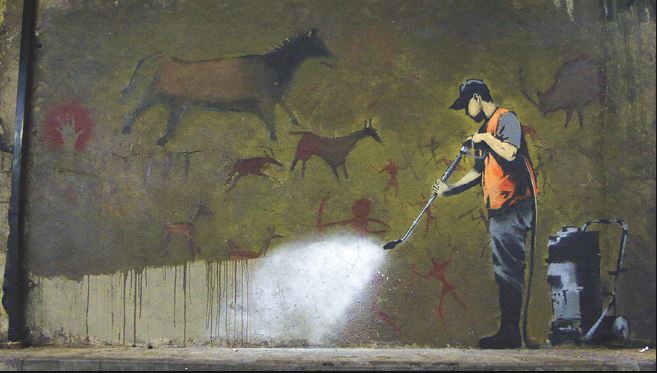
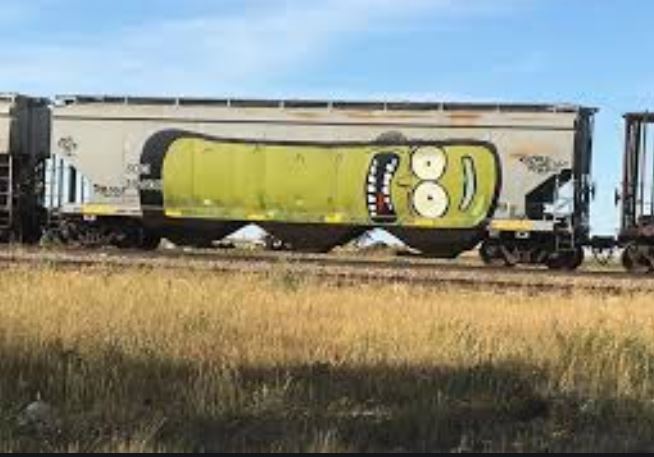
Graffiti Art

Achievement Standard: Students evaluate how representations communicate artistic intentions in artworks they make and view. They evaluate artworks and displays from different cultures, times and places. Students manipulate materials, techniques and processes to develop and refine techniques and processes to represent ideas and subject matter in their artworks.

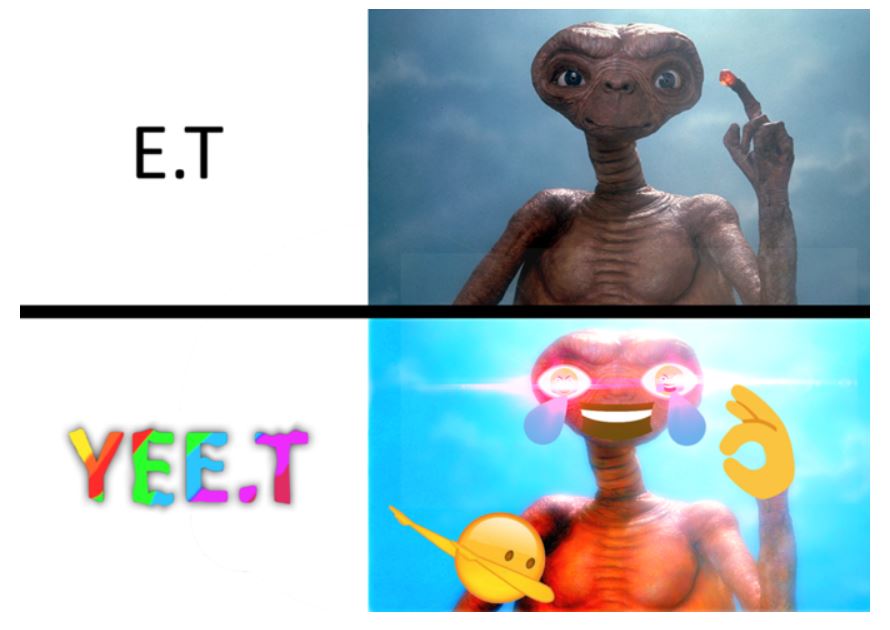
Aight, so, lets look at some Graffiti hey, because if you wanna draw some you gotta study some. #Yeet

The birth of Yee

Ok, but seriously now…Lets take a look

https://www.bombingscience.com/graffiti-alphabets-will-blow-mind/

Task for Growing Understanding: Lets create our own alphabet or tag…or both because that would put you at achieving level #Yeet

Designing the Break Room

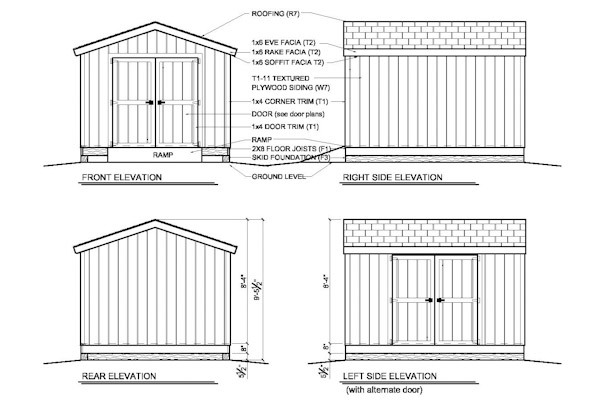
Today we will be designing the build of our break room, as this includes Maths concepts, we are doing this in our Maths class!

Things to consider:

  • How long should it be?
  • How tall should it be?
  • How wide should it be?
  • What shape should it be?
  • How big should the ‘decontamination’ area be? Should it have walls?
  • What materials will we use and what are their dimensions?

Key things to learn before going ahead:

  • Taking accurate measurements
  • Drawing to scale- what is this and how do we do it?
  • Lines (perpendicular and parallel) and when to use in building?
  • Drawing angles accurately

Once you have drawn your plan to scale, you will need to label it and write a list of all materials we need to collect/purchase in addition to those available.

Your task will be:

To create a to scale version of your design of the structure of break room. You will need to draft this, plan it, ensure accuracy of the scale and then create! This could be hand drawn, created in CAD, build as a scale model etc. You will then need to create a ‘shopping list’.

Then next week:

  • Next Tuesday we will begin to build the structure.
  • On Thursday we will then calculate the amount of cladding we will need (internal and external) to be added to our build in week 4.

Right now: lets roughly design it as a class

See the source image

Taking Measurements

All measurements in millimetres- what is this? How do we write it?

Why is accuracy important?

How do you use a tape measure?

See the source image

Drawing to scale

  • What is this?
  • Why do we do this?
  • How do we do this?
  • Choosing a scale and identifying it
See the source image

Lines

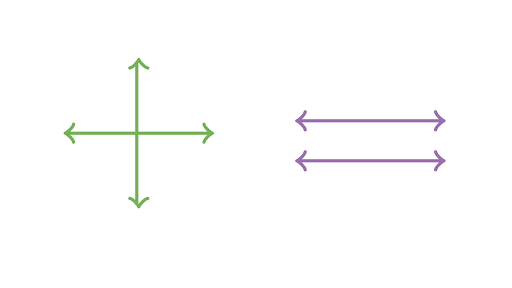
  • What are parallel lines?
  • What is the relationship between the lines?
  • Why is this important?
  • Why is this relevant to our break room and how would you use parallel lines?
  • What are Perpendicular lines?
  • What is the relationship between the lines?
  • Why is this important?
  • Why is this relevant to our break room and how would you use perpendicular lines?
See the source image

Angles

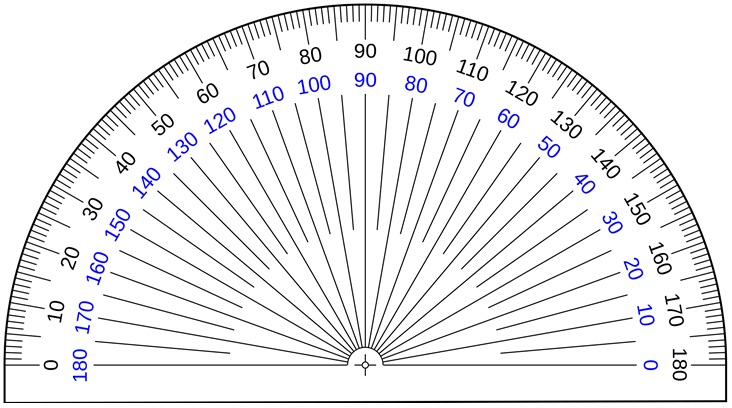
  • What is an angle?
  • What do we use to measure an angle?
  • How to we measure an angle?
  • Why is it important to get angles right in building?
  • What angles do you think we will use in this break room?

Right now: get cracking and create a to scale design

Motives and Actions

Achievement Standard:

  • Year 9: They explain the motives and actions of people at the time
  • Year 10: They explain the context for people’s actions in the past

Ok – so what does this even mean? What is a motive and what is an action…and what even is context? Lets define these hey:

  • Context: the circumstances that form the setting for an event, statement, or idea, and in terms of which it can be fully understood.
  • Motive: a reason for doing something.
  • Action: the fact or process of doing something, typically to achieve an aim.

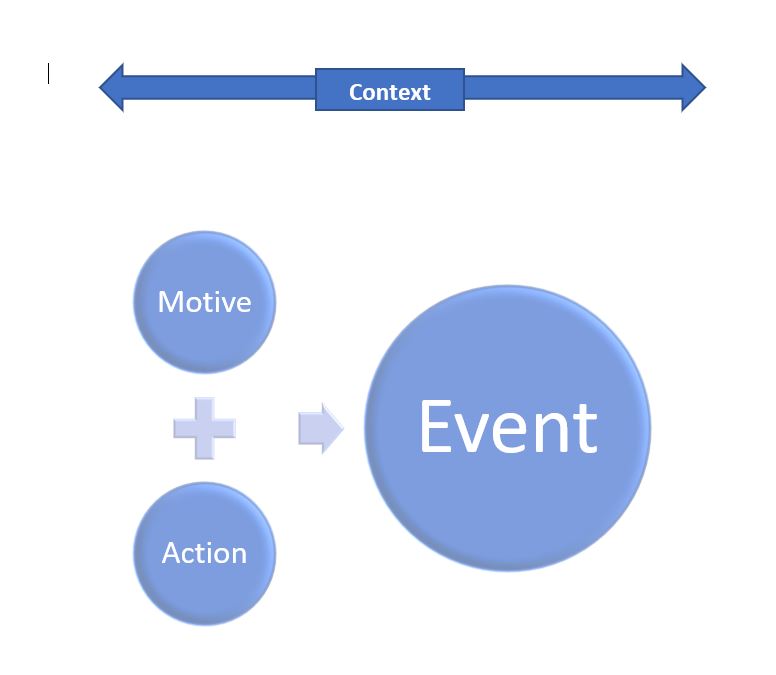
So…motive….action…context, three fancy words we can use to view historical events and to begin to analyse them with. In terms of a process you could view them as follows;

So, bearing this in mind, motives are the driving forces that lead individuals, groups and societies into action that can create an event. Context is the overarching ‘bigger picture’ of a situation – what was occurring around an individual, group, society etc. So with this in mind, lets look at an event which almost blew up the world (like seriously, almost did…almost game over…)
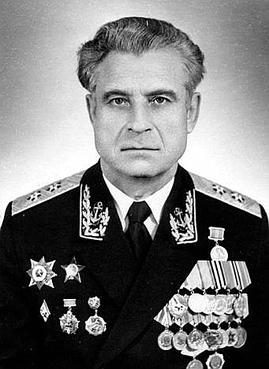
So this guy – top bloke, what a deadset legend, you can thank the fact your here to him…

10/10 Good Boi

Discussion: What might have influenced his decision (informed his motives..)

Growing Understanding: Unpack a personal event and the motives and actions involved in it. Identify the overarching context.

Structure

What is structure? Is it just a building?

Well, it can be. But when we talk about text structure, what does that actually mean?

Structure comes from the Latin word structura which means “a fitting together or building“. So basically, text structure is how we build different types of text to better achieve our purpose/better communicate. Remember there are HEAPS of different texts, so there is a ton of different text structures.

Music

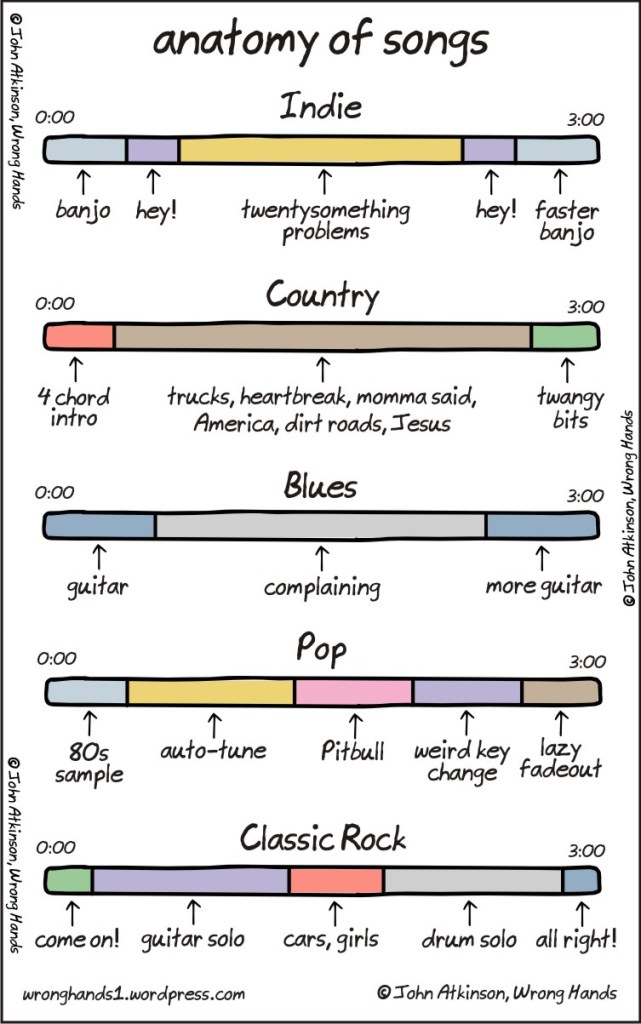
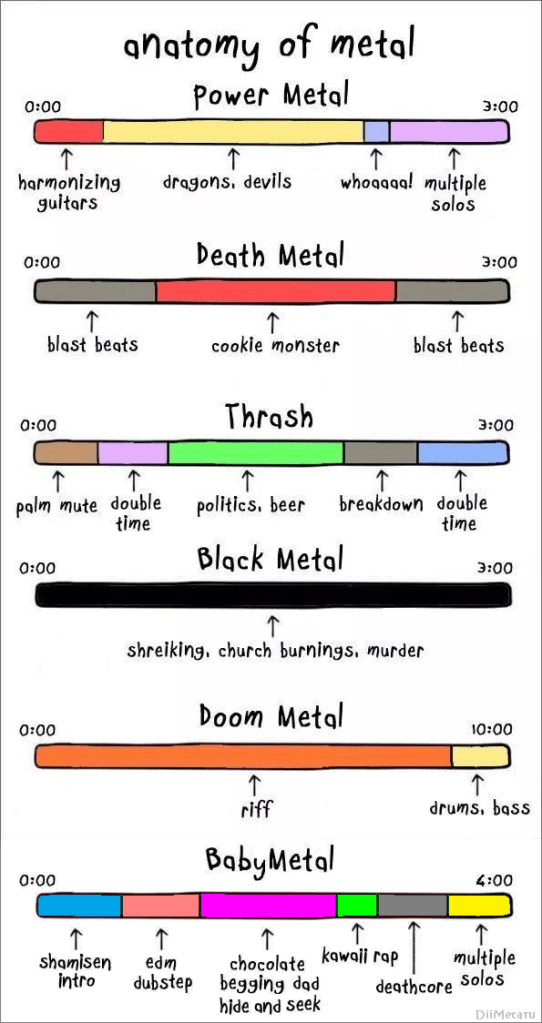
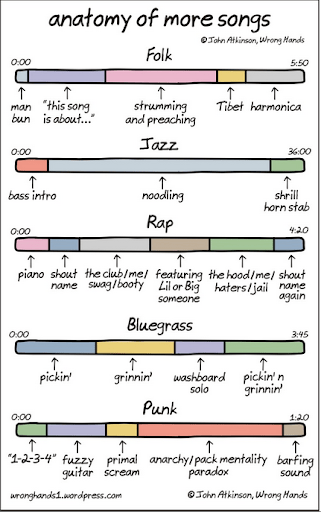
Songs have a structure, and this structure will change depending on the genre of music. The music and lyrics work together to communicate to a particular audience, sending a message.

Story Time

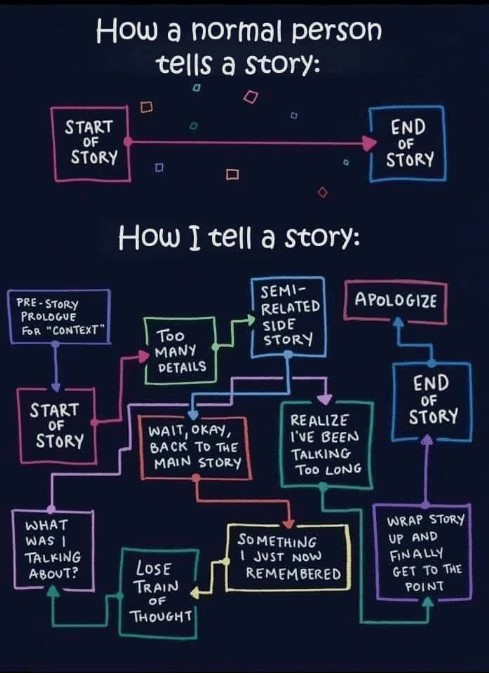
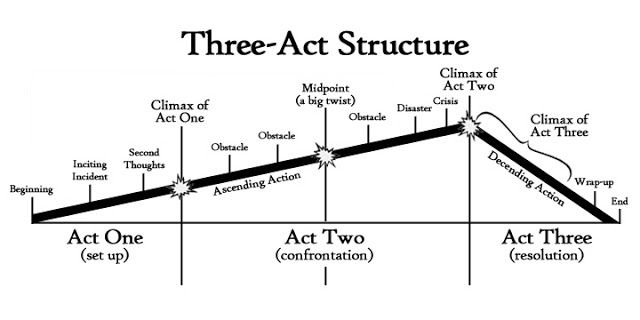
Narratives have structure, having a beginning, middle and end. Depending on what genre of story you are telling, there are different structures that can be followed.

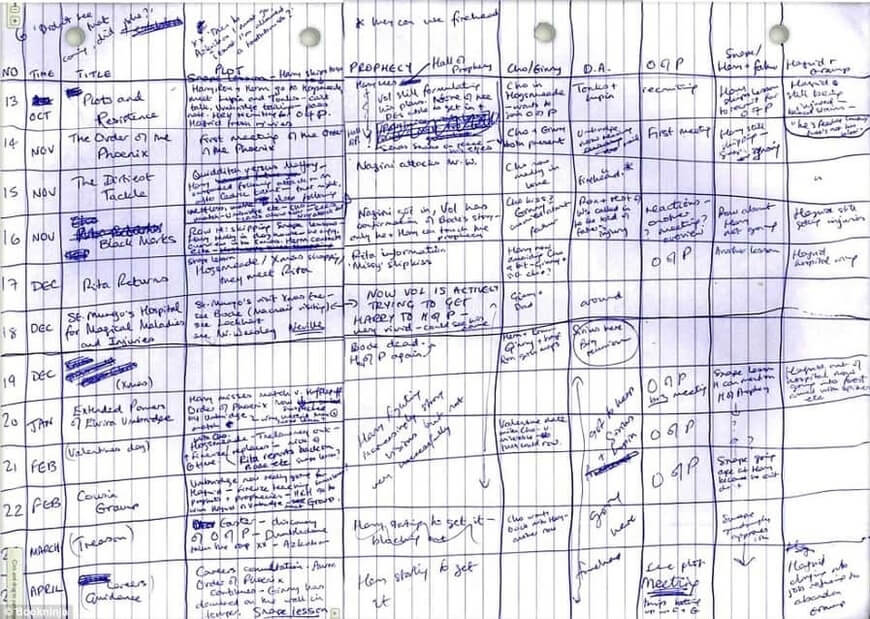
JK Rowling’s Grid Planner

Essay

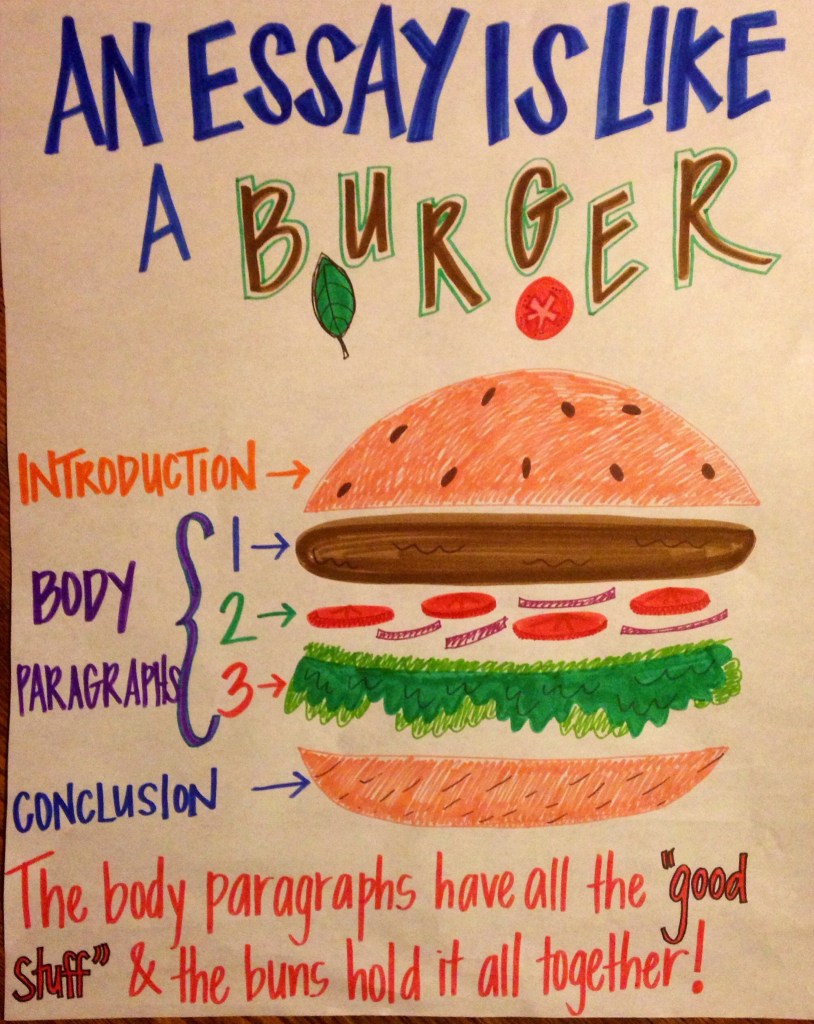
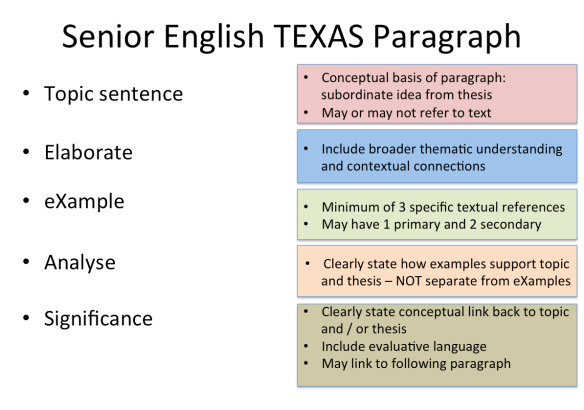
Writing an essay is often a difficult task. An essay is a very structured form of writing, even the paragraphs inside an essay have a structure! The structure of an essay is designed to help the reader understand the flow of the author’s thoughts. It also helps the author to organise their thoughts in a logical way.

Instruction Manual

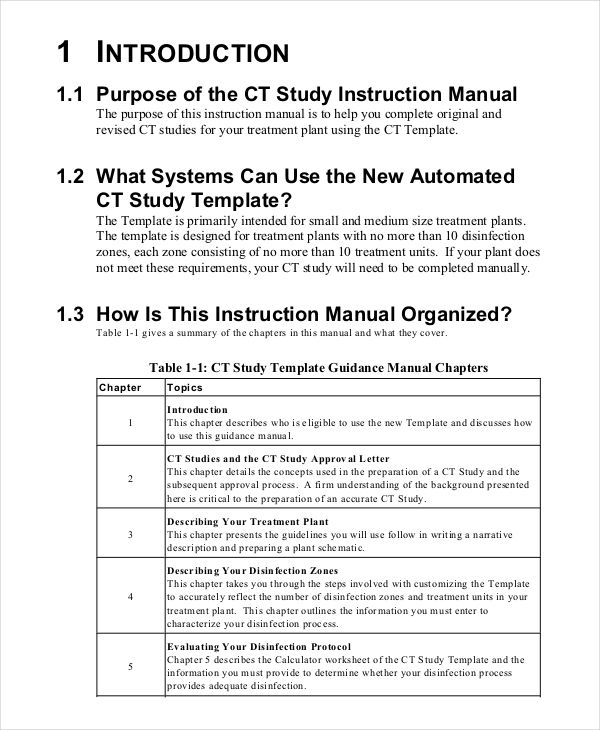
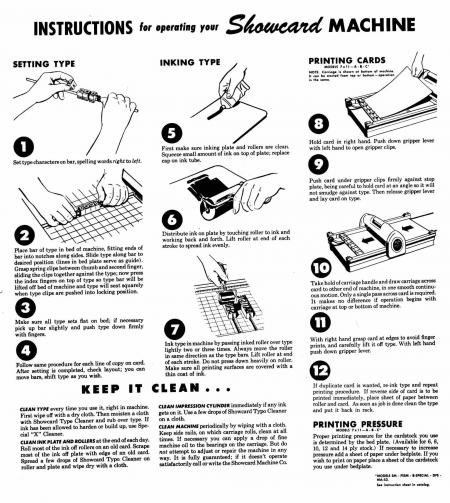
Instruction manuals have a particular structure so that the reader will see the important information first. Usually, they have some kind of contents section so that the reader can easily find whatever information they need quickly.

ACT Logbook

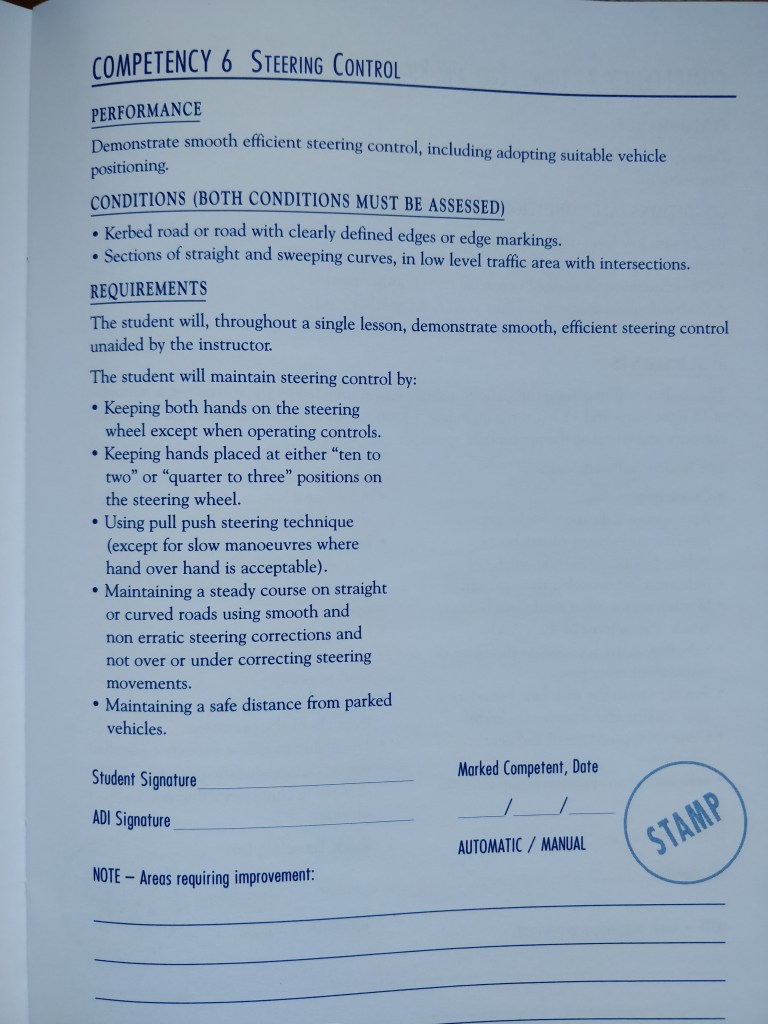
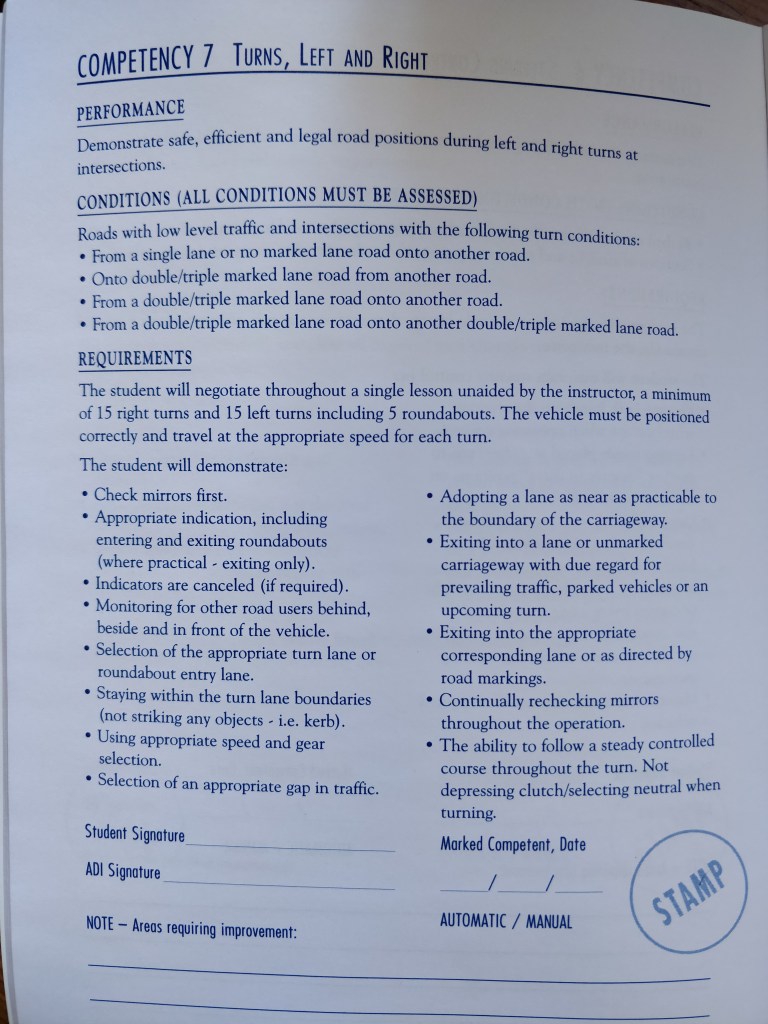
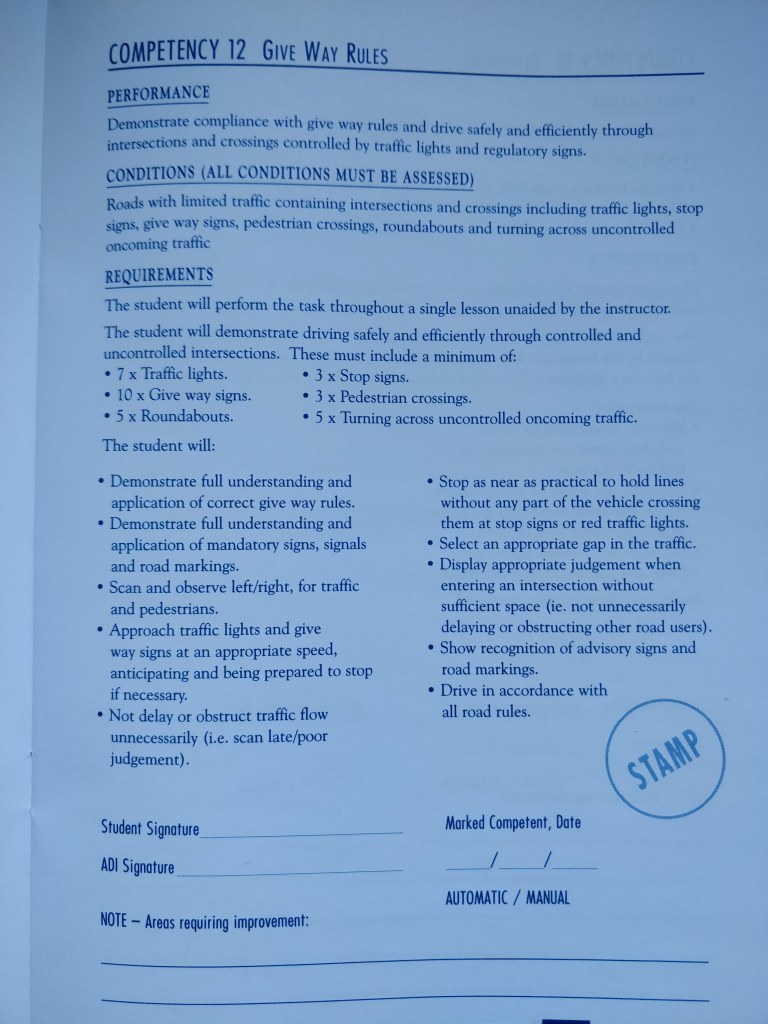
These are pages from an ACT Learner Driver Logbook. Learners move through the competencies and stamp off each one until they have marked off all the competencies plus log their hours and then they are given their licence. The logbook has a structure so that the driving instructor, parents and learner can see where they are up to.

Task for growing understanding: Pick any text that you enjoy and has meaning to you – remember, that a text could be a meme, song lyrics, games dialogue, books (just to name a few). Then, recreate it using a different text structure. See if you can compare and contrast these – this can be done in a written form, verbal form, creative form; your response is entirely up to you, you just need to demonstrate that you can say ‘what is similar and what is different’ and why. Think of a few reasons why the author chose the original text structure.

Food for thought: If your text has multiple mediums (uses text AND image, or lyrics AND sound), how are you going to change your text into another structure without making the text lose its meaning?

Achievement Standard: Students analyse the ways that text structures can be manipulated for effect

Art and Symbols

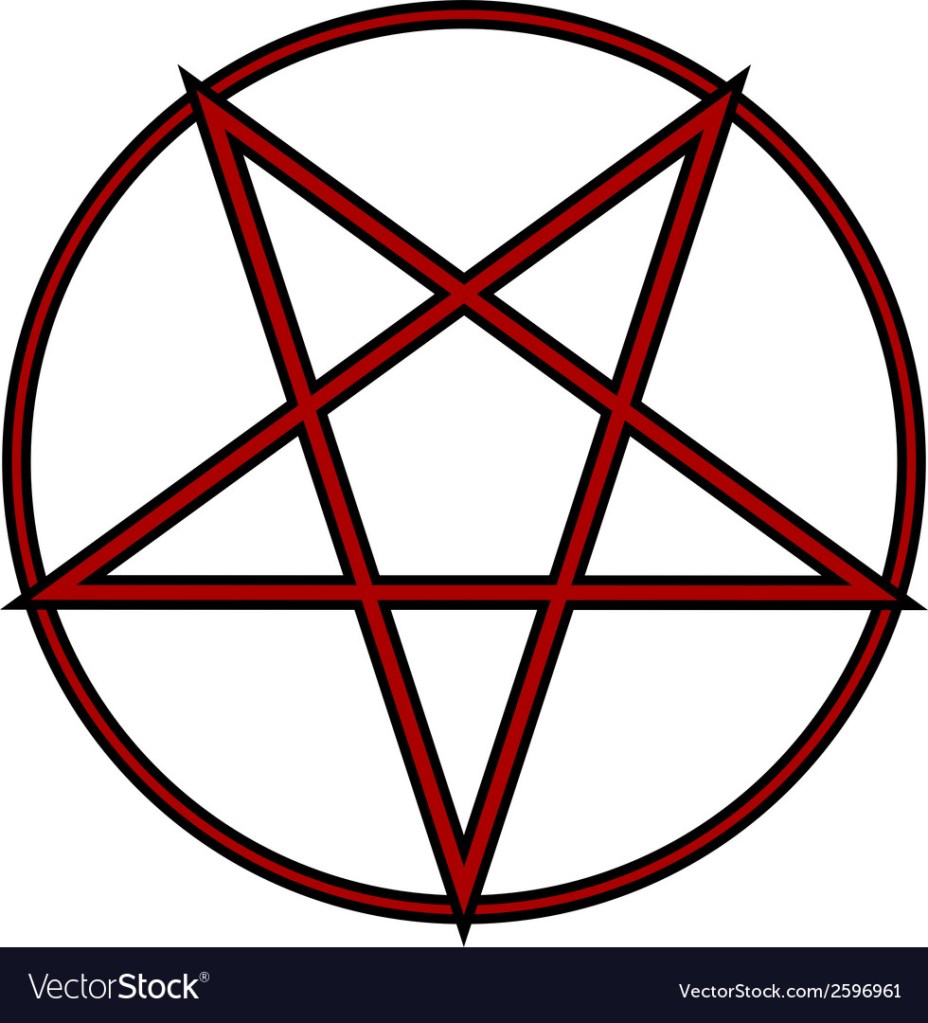
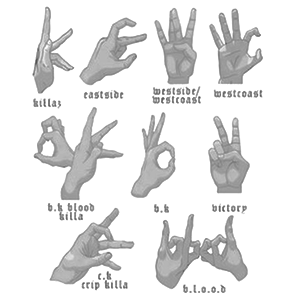
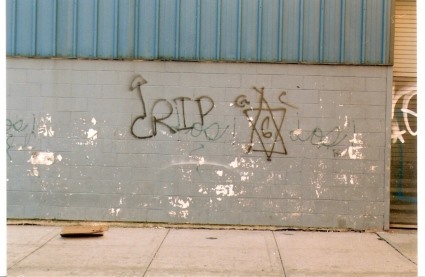
What is a symbol? Is it art? What do they mean and say? Well, yep, you could say symbols are a form of visual arts and that they convey a message and meaning. So, lets explore some varying ‘symbols’ and what they might mean and why…

But first – your achievement standard you are covering:

Achievement Standard: students evaluate how representations communicate artistic intentions in artworks they make and view. They evaluate artworks and displays from different cultures, times and places.

  • Quickly, what this actually means for you young ‘uns…Basically you can look at art or symbols and explain how they communicate a message or a meaning. You could look at two different art pieces and say why they are different and what they convey.
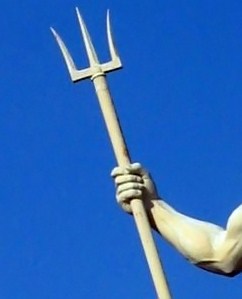
What do you think this symbol is and what does it mean?
What is this a symbol of? Devils pitchfork? Something else?
What does this normally symbolise? What does it actually symbolise?

Task for growing understanding: Go away now please and either create your own tag / symbol or pick two varying tags / symbols and compare them to each other and highlight the following;

  • What is the same?
  • What is Different?
  • Discuss shape / colour / characters / message / theme when you evaluate each chosen tag / symbol.
  • If you decide to create your own symbol or tag you must provide a rationale to why you’ve chosen various colours / themes / shapes etc.

Interest

What is interest? What do we use it for? How is it relevant to us????

Basically interest is a fee you pay to use someone else’s money.

What sort of things might mean you pay (or earn) interest?

Will you ever have one of these? do you know if they have interest?

  • After pay
  • Zip pay
  • Credit card
  • Car loan
  • Home loan
  • Unpaid income tax
  • Bank account
  • Investments
  • Term deposit
  • paypal
  • superannuation

Do you know how interest works? or the different types??

2 main types of interest

  • simple interest: interest calculated based on the original amount (the principal) only.
  • compound interest: interest calculated on the principal AND the previous interest accrued!

So….. calculating simple interest:

Interest = Principal x Interest rate (in decimal) x loan length (in years)

Scenario:

You want to buy a car for $10,000 but only have $500. $9,500 needs to be borrowed from a bank to allow you to buy the car. You see the advert above and decided to apply.

The bank agrees, over a period of 36 months…. YAY!

What is the:

  • Principle
  • Interest Rate
  • Length of loan

1. convert the interest rate into decimals

2. convert the length of loan into years

3. Interest per year = principal x interest

4. total interest = interest per year x years of loan

5. cost of loan = total interest + principal

Now…. lets add I dimensions. What would your weekly repayments be?

Your task:

1. Write/record a short statement (1 sentence is fine) stating the link between Simple and Compound interest (hint, use the definitions above!)

2. using the following scenario, calculate the interest. You can demonstrate your work in any way: on the board, verbally, written etc.

You have saved $3,500 and currently earn 0.5% interest in your bank account. You have seen the above advert. By calculating the interest, compare how much money you will earn in interest over 18 months. Is it best to keep your money where it is, move it for 1 year or move it for 18 months?

Achievement standards:

Y9 students solve problems involving simple interest

Y 10 students recognise the connection between simple and compound interest

Do Images Communicate?

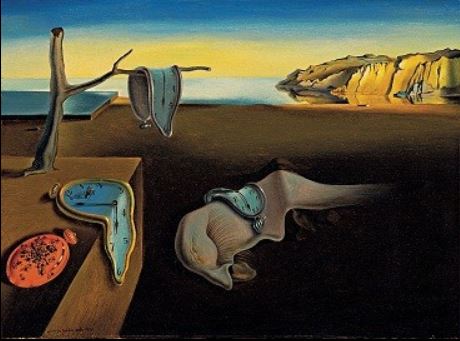
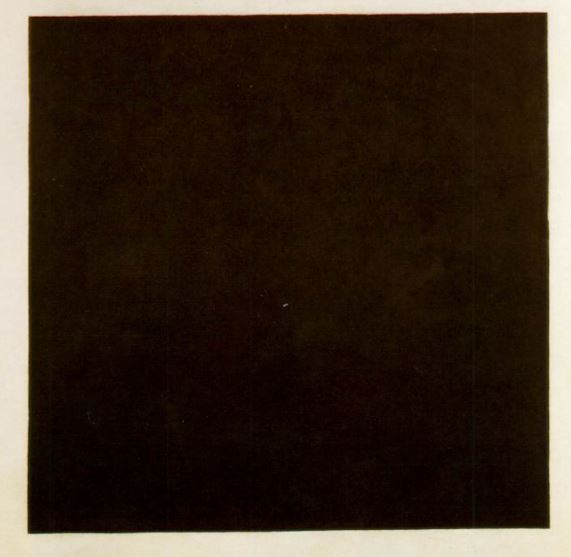
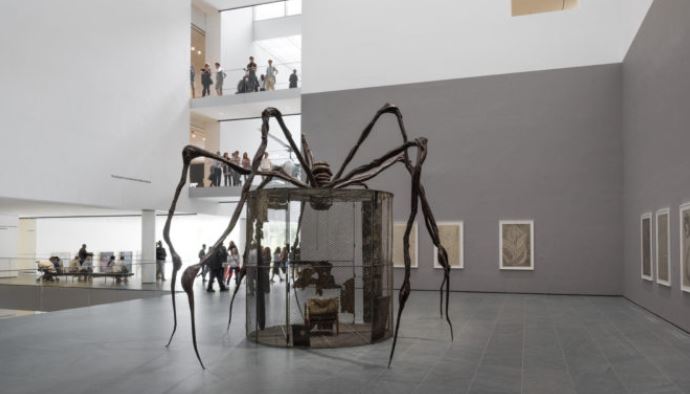
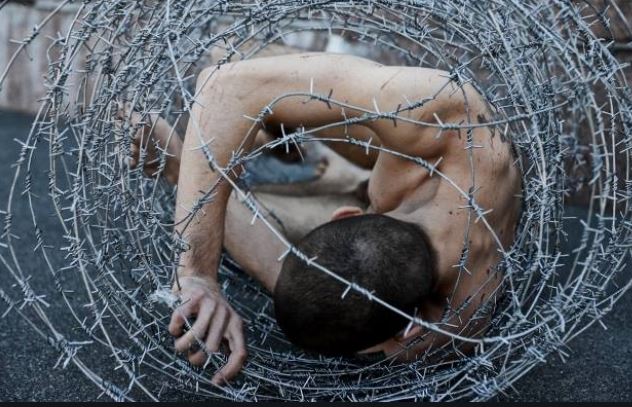
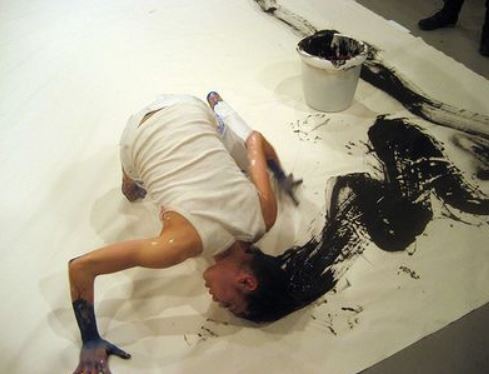
Do images communicate? How do they do this? Why do they do this? What do they say or tell us about an artist? How can we figure this out…and probably most importantly (in my humble opinion…#nothumbleatall) why is this communication important to us.

Know what? Lets dive straight in deep and just look at pictures..

How do we even begin to understand this stuff?? Some key things for you all to think about;

Time Period: When was this created?

Period / Style: What art period does this belong to? What could this tell us?

Intended Audience: Who may have this been created for and why?

Images: What images are contained within the image (what is the subject?)

Colours: What is the colour choice? How does this effect our interpretations?

Task for growing understanding: Pick 2 art pieces and unpack what they may be about utilizing the above concepts. These can be any art you decide you wish to explore (game art / memes / anime / manga/ classical art etc………………..)

Achievement Standard: Students evaluate how representations communicate artistic intentions in artworks they make and view

What even is a text?

What even is a text? Is it a book, is it a plane, is it…just no. Text is a form of communication. Full stop. That’s it. With that in mind, the following are forms of text;

  • Books (well der…)
  • Song Lyrics
  • Memes
  • Posters
  • Body Language
  • Poetry
  • Dance
  • Media Ads
  • Instructions and instruction manuals
  • Game manuals
  • Dialogue (movies /games etc.)
  • Tweets
  • Facebook Posts
  • Insta and SnapChat
  • TikTok
  • The list is enormous…

The important things to know about text is that is:

  • Conveys a message
  • Can be manipulated and can manipulate us
  • Can use a theme / images / sounds / other effects to assist in conveying a message

Bearing this in mind, lets have a look at some examples;

Shakespear Sonnet 18

Shall I compare thee to a summer’s day?
Thou art more lovely and more temperate:
Rough winds do shake the darling buds of May,
And summer’s lease hath all too short a date:
Sometime too hot the eye of heaven shines,
And often is his gold complexion dimm’d;
And every fair from fair sometime declines,
By chance or nature’s changing course untrimm’d;
But thy eternal summer shall not fade
Nor lose possession of that fair thou owest;
Nor shall Death brag thou wander’st in his shade,
When in eternal lines to time thou growest:
So long as men can breathe or eyes can see,
So long lives this and this gives life to thee.

Sonnet 18 translation to modern English

Shall I compare you to a summer’s day? You are more lovely and more moderate: Harsh winds disturb the delicate buds of May, and summer doesn’t last long enough. Sometimes the sun is too hot, and its golden face is often dimmed by clouds. All beautiful things eventually become less beautiful, either by the experiences of life or by the passing of time. But your eternal beauty won’t fade, nor lose any of its quality. And you will never die, as you will live on in my enduring poetry. As long as there are people still alive to read poems this sonnet will live, and you will live in it.

Compare: Comparing is the act of looking at similarities and differences between things! This can include asking and answering questions such as:

  • Who is the author?
  • What is the story / theme?
  • What is the message?
  • How does this communicate?
  • Who is involved?
  • What choices have been made in communicating the message?
  • What stylistic choices have been made?

Contrast: Looking at only the differences between two things. This is a more in-depth exploration of differences. When we compare we might write a list of things that are similar and different, however, when we contrast we go into exploring why things are different and how they are different.

Task for growing understanding: Choose two text types that you enjoy and are meaningful to you and sparks joy in you – this can be any text type…think a meme, song lyrics, game dialogue, movie lines, books, drama scenes etc…The only rule is one of these text types must be modern and one must be old (at least 10 years old). See if you can compare and contrast these – this can be done in a written form, verbal form, creative form, your response is entirely up to you, you just need to demonstrate that you can say ‘what is similar and what is different’ and why

Achievement Standard: Students analyse the ways that text structures can be manipulated for effect

Design a site like this with WordPress.com
Get started