Watch on #Periscope: Muliyan HPE Week 8
Moving into strange times
Good morning all – and welcome to our Friday HPE lesson. It is an unusual and unique time in world history we are all experiencing right now, and looking after your physical and mental health is of paramount importance.
But of course I can’t take you to BlocHaus (trust me, the struggle is real…) or PCYC, or even the skatepark. So it’s top to each of you to ensure you engage in physical movement in your own space. This post will focus on just that – setting up a regular workout routine in your home space.
So diving straight in, below are some options for working out online;
Joe Wicks @ Home PE – Has a great set of videos and coaching activities you can do from the safety of your own home
https://www.youtube.com/user/thebodycoach1
Yoga with Adrienne – Yoga is a great way to keep yourself healthy, fit and centred during these times, and Yoga with Adrienne has a stack of videos;
Another good one – how to utilise your home environment to create a work out
Asking questions for Historical Inquiry
Achievement Standard:
- Year 9: When researching, students develop different kinds of questions to frame a historical inquiry.
- Year 10: When researching, students develop, evaluate and modify questions to frame a historical inquiry.
Periscope Link:
Watch on #Periscope: Muliyan History 25/03/2020
What does that mean?

Historical Inquiry: History provides us with a way of thinking about the past. The use of historical inquiry shows students a way to inquire into, organise and explain events that have happened. Historical inquiry is the process of “doing history”.

It is a cyclical process that begins with the asking of guiding historical questions. This is followed by locating and analysing historical sources to establish historical evidence. The historical evidence is then used to construct historical interpretations that seek to answer the guiding historical questions.
There are six generic questions which you can use to guide your inquiry:
- What were the major forces and developments during this period?
- What caused these major forces and developments?
- Who were the key players involved?
- How did the developments influence peoples’ decisions and actions and vice-versa?
- How did people’s views and perspectives shape their interpretation of these developments?
- How did these developments impact societies?
Note: In this context, force is talking about things that pressure a historical event into happening. For example, we might be talking about the “market forces” that surround economic recessions.
What are we going to do with this?
Step 1: Plan a topic:
Write/record a short passage (50 to 100 words long) on what topic you are going to research. Some examples:
- What positive stories could other people tell about my past?
- Who lived on these lands (Canberra) first and how do we know?
- How has the community on these lands changed? What features have been lost and what features have been retained?
- How has Women’s fashion responded to world war II? (Wartime wardrobes)
- The evolution of the skateboard
- Your topic from your timeline last week
- Something from your passion project.
Step 2: Choose the three most significant event from your chosen topic and ask the following questions:
- What were the major forces and developments during this period?
- What caused these major forces and developments?
- Who were the key players involved?
- How did the developments influence peoples’ decisions and actions and vice-versa?
- How did people’s views and perspectives shape their interpretation of these developments?
- The early roots of the Yakuza
- How did these developments impact societies/you?
How will you know you are done?
- You will have chosen a topic
- You will have written a short description of your topic
Text Structure Revision
Periscope video for content found here:
Remember we talked about text structure?
If you don’t remember, check it out: https://muliyanlearningacademy.school.blog/2020/02/10/structure/
Today we will be revising what we learnt and completing some guided work on it. Please read and complete the following worksheet (after reviewing ‘structure’ at https://muliyanlearningacademy.school.blog/2020/02/10/structure/)
Basics of the formula
Note: this work is also found on the OneNote where you canc omplete it too. follow this link : Muliyan T1 2020 Notebook (Web view)
Periscope video of the lesson
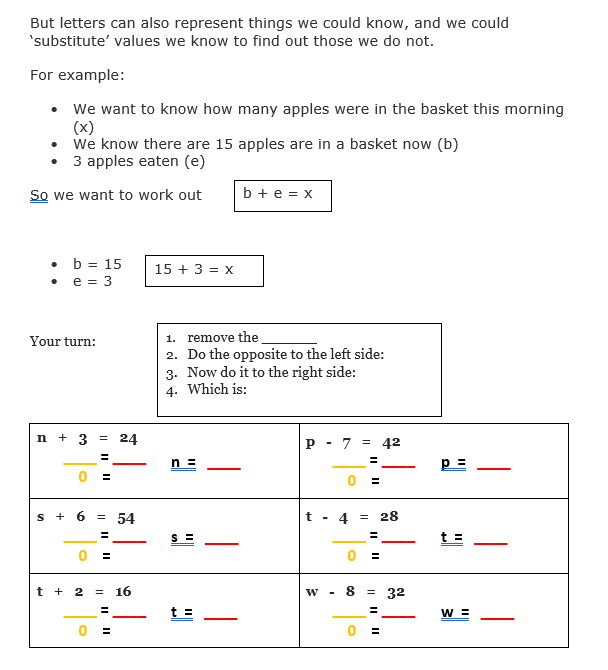
Recognise this sort of thing?
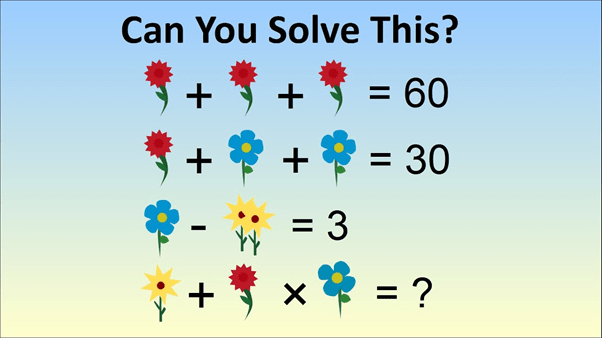
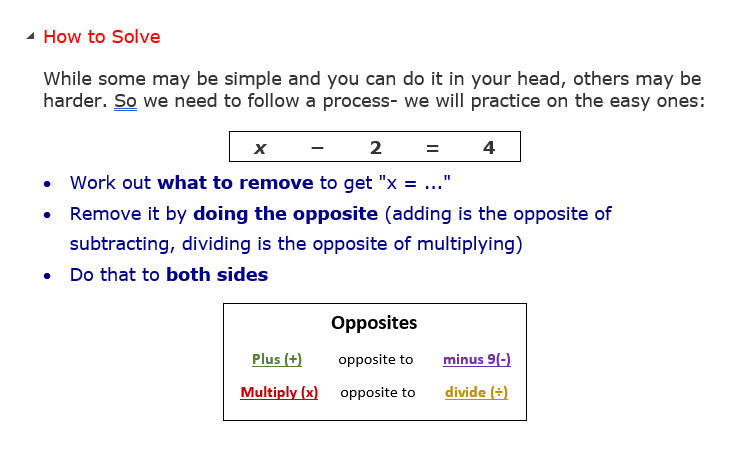
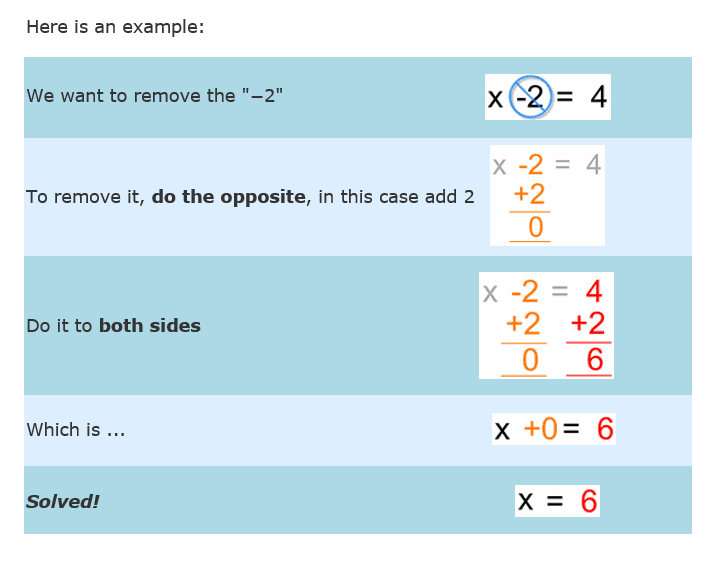
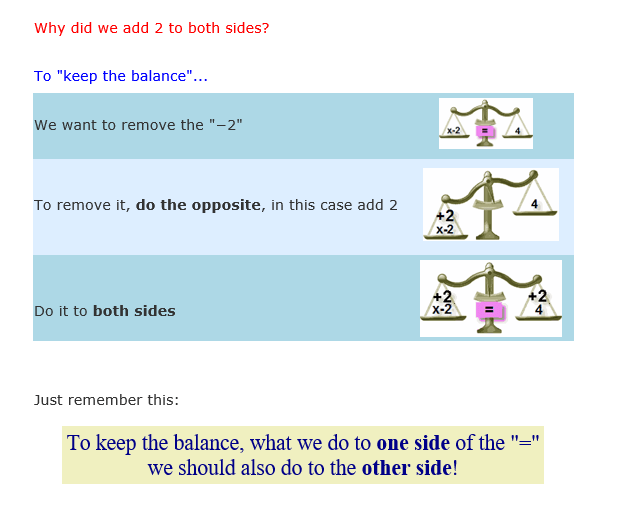
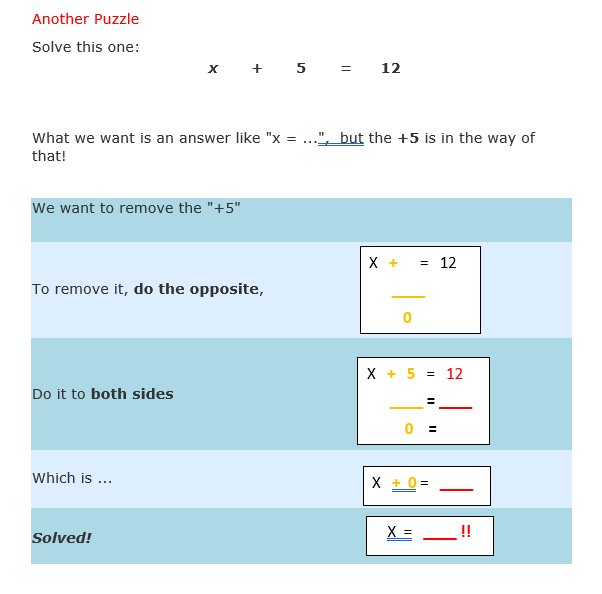
This is algebra! Algebra is a process of using a formula to solve a problem.
To make it easier, we use letters, so it looks like this:
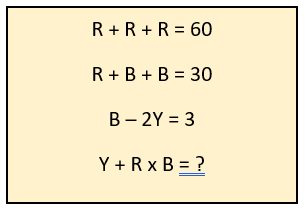
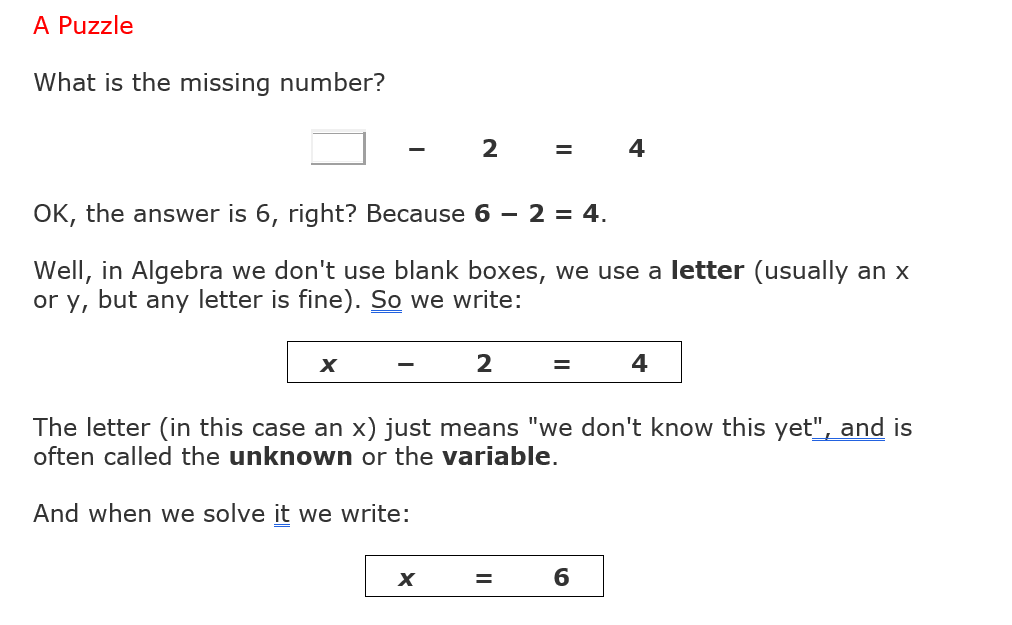
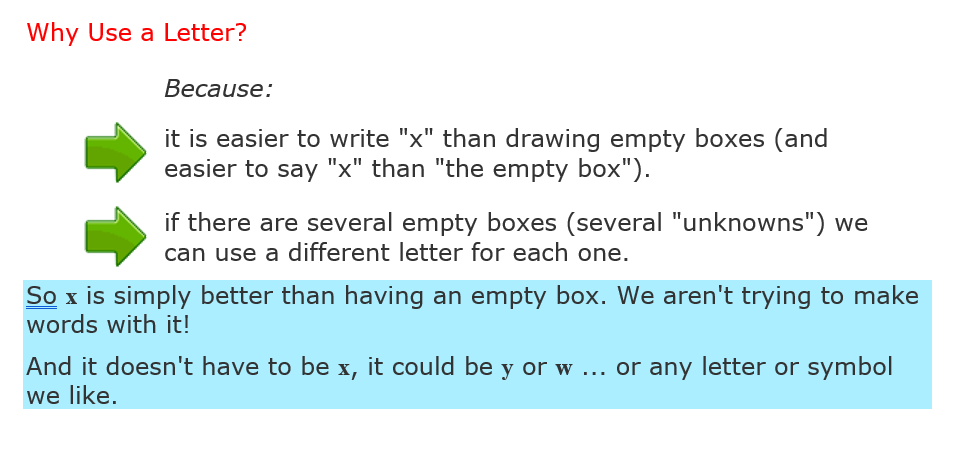
Timelines of events
Achievement Standards:
- Year 9: Students sequence events and developments within a chronological framework concerning periods-of-time and their duration
- Year 10: Students sequence events and developments within a chronological framework and identify relationships between events across different places and periods-of-time.

What does this mean?
Historians need to understand how events roll into each other and how places may impact those events.
What does a timeline look like?
How to make a timeline:
Growing understanding
Create a timeline of events and locations that those events happened. What relationships may those events have with locations
Ideas for the timeline:
- Positive events in your life
- When did you lose your first tooth? When did you meet your best friend?
- A timeline of Ned Kelly from birth to death
- Different stages of economic development
- The history of skateboarding
- The start of the Yakuza
- Something connected to your passion project.
How will you know you are done?
- You will have a timeline with at least 5 significant events
- Each event should include a description of the event and a location that it happens
- Prepare some evidence that talks about the relevancy of the location with their events.
Contributing to the Message
Achievement Standard: Students explain how the choice of language features, images and vocabulary choices contribute to the development of individual style.
We have explore the ability to distinguish individual authors based on their style and choices of techniques etc- whether in art, music or writing.
What do we mean by a language feature again?
- sentence structure
- Choice of words
- Punctuation
Language features (along with text structure) define the type of text and shape its meaning- who you are creating it for, why you are creating it and how you will deliver the message all change depending on the language features (or the language features change the who, what where, why and how…..)
To explain something, it means you provide detail when you are describing something.
Today we will talk about how the use of language features and images contribute to a message. Fill in the sheet as we discuss this or be involved in the discussion verbally (and I will record)
“Campuses close over covid-19 concerns”
- What do you think this news story is about?
- Does it get your attention? If so, how?
https://www.mediamatters.org/media/3858066/embed/embed
- Briefly describe the factual content of the story related to the lead: 5 W’s and the H.
- Who:
- What:
- When:
- Where:
- Why:
- How:
- Discuss the accuracy of the facts used in the story. How do you know that the sources used were reliable and accurate (or not)? Provide specific examples.
- Do you think the headline was accurate and effective in summarizing the story and getting the audiences attention?
- Techniques are important in keeping those reading and listening to the story engaged, even create empathy and emotion. Style includes things such as:
- Tone of voice
- Choice of wording (eg sort sentences, language choices etc)
- Use of images/clips/ quotations
- Differing views
- What techniques did they use in this video and for what purpose?
Task: complete the same questions on “Coronavirus Impeachment scam”
Words with Style
Achievement Standard: Students analyse and explain how images, vocabulary choices distinguish the work of individual authors.
Every author has their own style, we may take inspiration from others, but we all bring something unique to a creation.
Last week we discussed images and discussed how colour choices, techniques, style, messages, theme etc can inform us who the author was.
Now lets look at how vocabulary choices help us distinguish between authors.
What do we mean by vocabulary choices?
- Vocabulary is the choice of words used
- We can use words to create rhythm and rhyme in our sentences
- We can use words to create images in the mind of the audience
- We can use different types of words to show emotion, anger, sadness etc
- Rude or sweet words to get different types of attention
- We can structure our words to create questions to get the audience to think
- What else?
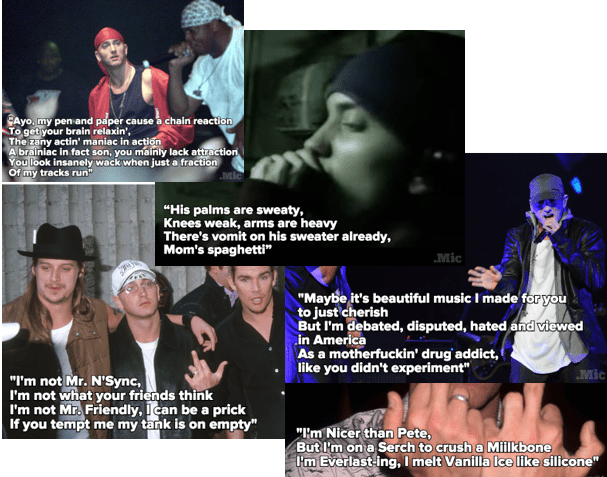
Ok, now look at the following passages, there are 2 passages per author.
- Firstly, how do they use words?
- Secondly, is this common between their works and can it help you identify their individual style and creations?
Example 1:
“And since birth I’ve been cursed with this curse to just curse / And just blurt this berserk and bizarre shit that works / And it sells and it helps in itself to relieve / All this tension dispensing these sentences / Getting this stress that’s been eating me recently off of this chest.”
Example 2:
“You speak an infinite deal of nothing.”
“Some are born great, others achieve greatness.”
“These violent delights have violent ends
And in their triump die, like fire and powder
Which, as they kiss, consume”
“To die, to sleep –
To sleep, perchance to dream – ay, there’s the rub,
For in this sleep of death what dreams may come…”
“Conscience doth make cowards of us all.”
“Wisely and slow; they stumble that run fast.”
“O serpent heart hid with a flowering face!
Did ever a dragon keep so fair a cave?
Beautiful tyrant, feind angelical, dove feather raven, wolvish-ravening lamb! Despised substance of devinest show, just opposite to what thou justly seemest – A dammed saint, an honourable villain!”
Example 3:
“Darkness cannot drive out darkness; only light can do that. Hate cannot drive out hate; only love can do that.”
“I have a dream that my four little children will one day live in a nation where they will not be judged by the color of their skin, but by the content of their character.”
“Life’s most persistent and urgent question is, ‘What are you doing for others?’”
“I have decided to stick with love. Hate is too great a burden to bear.”
“We are not makers of history. We are made by history.”
Your task: Find an author and, looking at their work, explain how their vocabulary choices distinguish their work. In other words, how do their use of words make it obvious it is their work?
Different perceptions of historical events.
Achievement standard:
- Year 9: Students explain the significance of these events and developments over the short and long term.
- Year 10: Students explain the significance of events and developments from a range of perspectives. They explain different interpretations of the past and recognise the evidence used to support these interpretations.
What does that mean?
- Significance: Sometimes, events, periods, developments, perspectives, or ideas, are regarded as having significant consequences.
- Events and developments: Things that happened, and their effect. Similar to cause and effect from last week, except it’s just talking about the impact of things.
- Range of perspectives: After World War I, different countries felt differently about the outcomes. France thought that the reparations that Germany was making were fair and just, while Germany thought it was unfair and unjust.
- Interpretation: Purposeful and thoughtful, representations of past events.
- Evidence: Assertions made without evidence can be dismissed without evidence.
In everyday words:
One of the roles of being a historian is to explain to people who weren’t there, what happened, why it happened, and how that event impacted future events. Importantly, they also to understand that just because you read it in one place, doesn’t mean it’s accurate or even an honest attempt at informing other people.
Let’s talk: World War 2
What was the significance of WWII? It was the most significant and deadliest war in history, involving more than 30 countries. Sparked by the 1939 Nazi invasion of Poland. The war dragged on for six years until Allies defeated both Nazi Germany and Japan.
What events and developments in WWII:
- 1939
- Hitler invades Poland on September 1st.
- The United Kingdom and France declare war on Germany 2 days later.
- 1940:
- Rationing begins in Briton
- German ‘Blitzkrieg’ overwhelms Belgium, Holland and France.
- Churchill becomes Prime Minister of Britain.
- British Expeditionary Force evacuated from Dunkirk.
- British victory in Battle of Britain forces Hitler to postpone invasion plans.
- 1941
- Hitler begins Operation Barbarossa – the invasion of Russia.
- The Blitz continues against Britain’s major cities.
- Allies take Tobruk in North Africa and resist German attacks.
- Japan attacks Pearl Harbor, and the US enters the war.
- etc
What were the major perspectives on the cause of WWII?
- That Hitler was a master planner who intentionally started World War II due to his strong beliefs on fascism, expansionism, and the supremacy of the German State – Trevor-Roper, Hugh (2011). The Wartime Journals. London: I. B. Tauris. ISBN 978-1848859906.
- Hitler was an opportunist who took advantage of the situation that Germany was left in after WWI – A. J. P Taylor (1961). The Origins of the Second World War. Hamish Hamilton. The United Kingdom. ISBN 978-0684829470
- Hitler was both an “evil” master planner who’s objectives would not have been possible without the situation that Germany was left in after WWI – Bullock, Alan (1992). Hitler And Stalin: Parallel Lives. New York: Knopf. ISBN 9780771017742.
Different perspectives at the time:


Warning spies, be careful when talking
Growing Understanding
History stopped in 1936 – after that, there was only propaganda – George Orwell.
Think of a historical event that is of interest to you (including recent events) that have very different perspectives. This event should have been well documented.
You need to:
- Choose a significant historical event
- Identify why it is significant
- List at least 3 events or developments that happened within that event
- Document at least 2 different perspectives on the event.
- Documentation can be any form of text (posters, images, youtube videos, etc)
- Have at least 1 piece of evidence for each of the events/developments (3 in total)
- How do you know that your events are factual or likely to have happened?
Examples:
- The justification of the start of WWII
- Fires in Australia, Arson or Climate-disaster
- Metadata in Australia: Australian Government Passes legislation to capture the addresses of what you browse.
- Drug Testing, should Events have drug testing stations?
- Private Schools win more funding from the Federal Government than Public Schools (2 dollars of Federal funding goes to private schools for every dollar that goes to public)
- Young people and car restrictions based off of power
- PETA attacking people wearing fur
- Any, significant event that interests you
Artists Styles
Achievment Standard: Students analyse and explain how images, vocabulary choices distinguish the work of individual authors.
Every author has their own style, we may take inspiration from others, but we all bring something unique to a creation.
But how can we tell who created something?
When listening to new music, can you tell who it is from just listening to it?
What allows you to do this?
What about art?
Can you tell who the artist was just by looking at it? What tells you this? Every artist has similar features in their work which allows you to judge who created it.
Things we can use to inform us:
- Colour
- Techniques
- Style
- Messages
- Themes
Discussion: Lets look at some examples of different artists, what are the similar features which sets them apart and allows you to identify their work?
Works by M.C Escher:
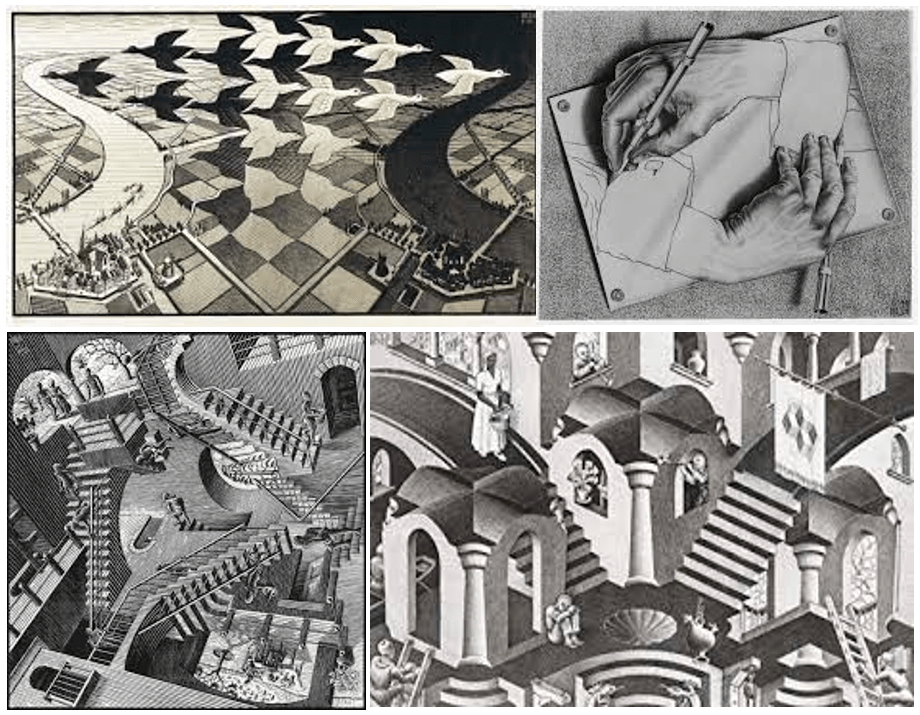
- What are the similar features which sets them apart?
- Colour
- Techniques
- Style
- Messages
- Themes
Works by Monet:
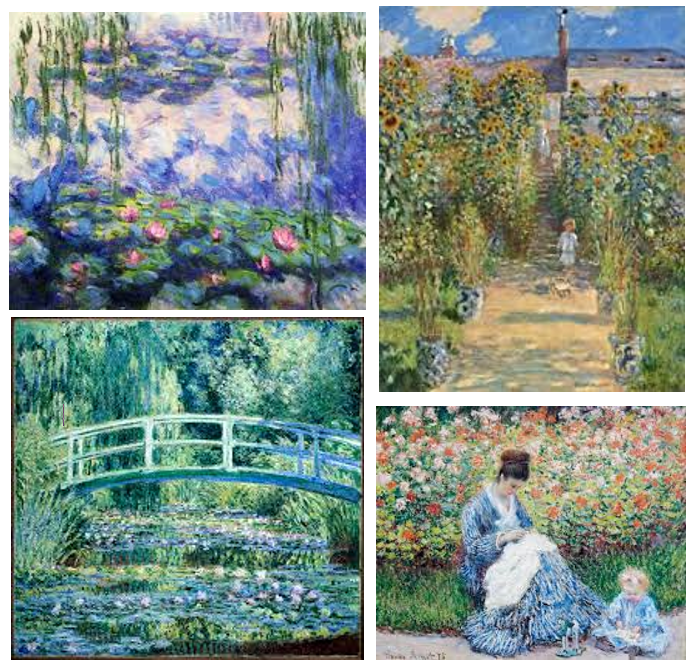
What are the similar features which sets them apart?
- Colour
- Techniques
- Style
- Messages
- Themes
Works by Banksy:
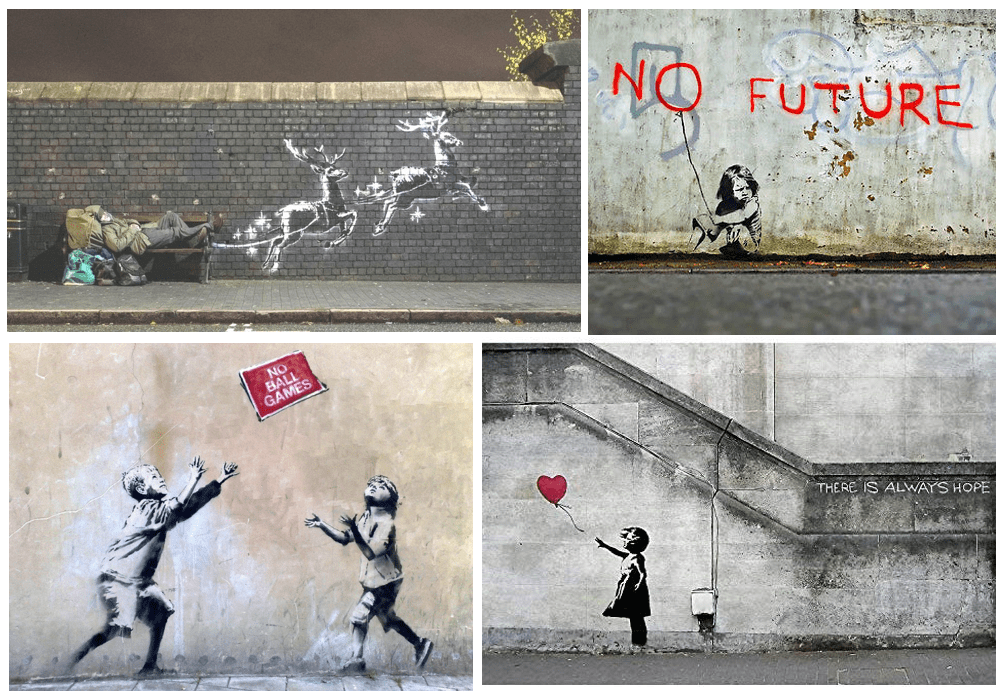
What are the similar features which sets them apart?
- Colour
- Techniques
- Style
- Messages
- Themes
Works by Picasso
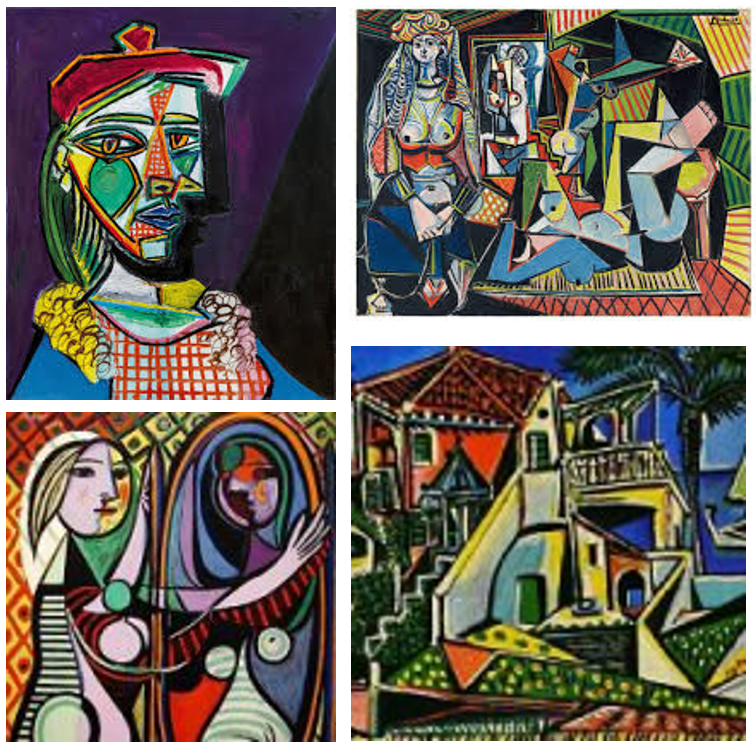
What are the similar features which sets them apart?
- Colour
- Techniques
- Style
- Messages
- Themes
Task: Choose 3+ pictures by the same artist and explain how their work is set apart from others.
OR
Create an artwork and explain what about it sets it apart from others, and means it is obviously your work.
 Muliyan